3 Key Takeaways From Lagos Fashion Week
By Ezreen Benissan · November 3, 2026 · Fashion Month
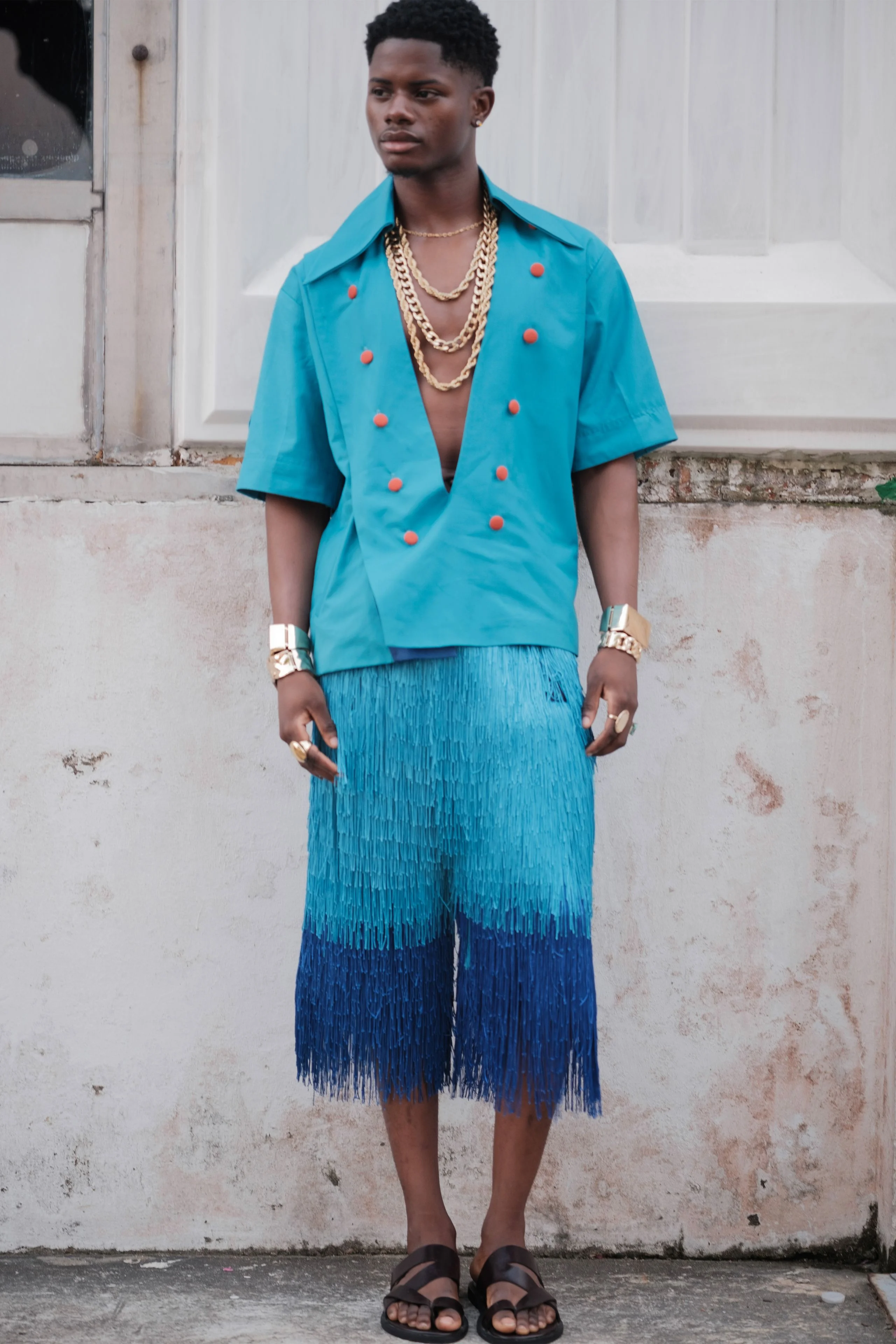
Lagos Fashion Week is drawing a bigger crowd, but the more telling story is what that growth is making possible for Nigerian designers: a stronger home calendar, new routes to overseas buyers, and room for established names to return on their own terms. Around 16,000 people attended this five-day edition, compared with 15,000 last season. Some 65 designers showed collections to press, influencers, and other industry guests.
The 16th edition ended Sunday night with an intimate dinner hosted by Lisa Folawiyo, a Nigerian fashion heavyweight returning to the official schedule after seven years away. Her return set the tone for a week in which local designers took center stage. Shows at the Federal Palace Hotel shared the calendar with presentations and events around the city: regulars Emmy Kasbit, Ugo Monye, and Sisano showed collections; Hertunba welcomed guests to its new stores alongside its runway shows; and LFJ presented its Spring/Summer 2027 collection at its concept store, Akoko.
Here’s the thing: international exposure hasn’t made Lagos less relevant to its designers. Iamisigo, which showed in Copenhagen, and Orange Culture and Fruché, which presented in Berlin, still intend to return to the Lagos Fashion Week calendar. For designers building careers abroad, that continued commitment gives the local platform a role beyond the runway.
The event is also attracting more visitors from outside Nigeria. Buyers and media came from the Middle East and nearby African countries, including Senegal and Ghana. US influencers and models Eni Popoola and Alton Mason attended as well. The numbers are rising, though attendance alone doesn’t tell us how much business those visitors will generate.
A platform with commercial reach
At a gathering at the US General Consulate, Lagos Fashion Week founder Omoyemi Akerele received an Excellence in Commercial and Creative Leadership Award from Consul General Brandon Hudspeth. Among those there were Chioma Ude, founder of the Africa International Film Festival; Popoola; influencer Akin Faminu; and designer Ejiro Amos Tafiri. The award points to a broader ambition: using the event to help Nigerian talent reach international markets, especially the United States.
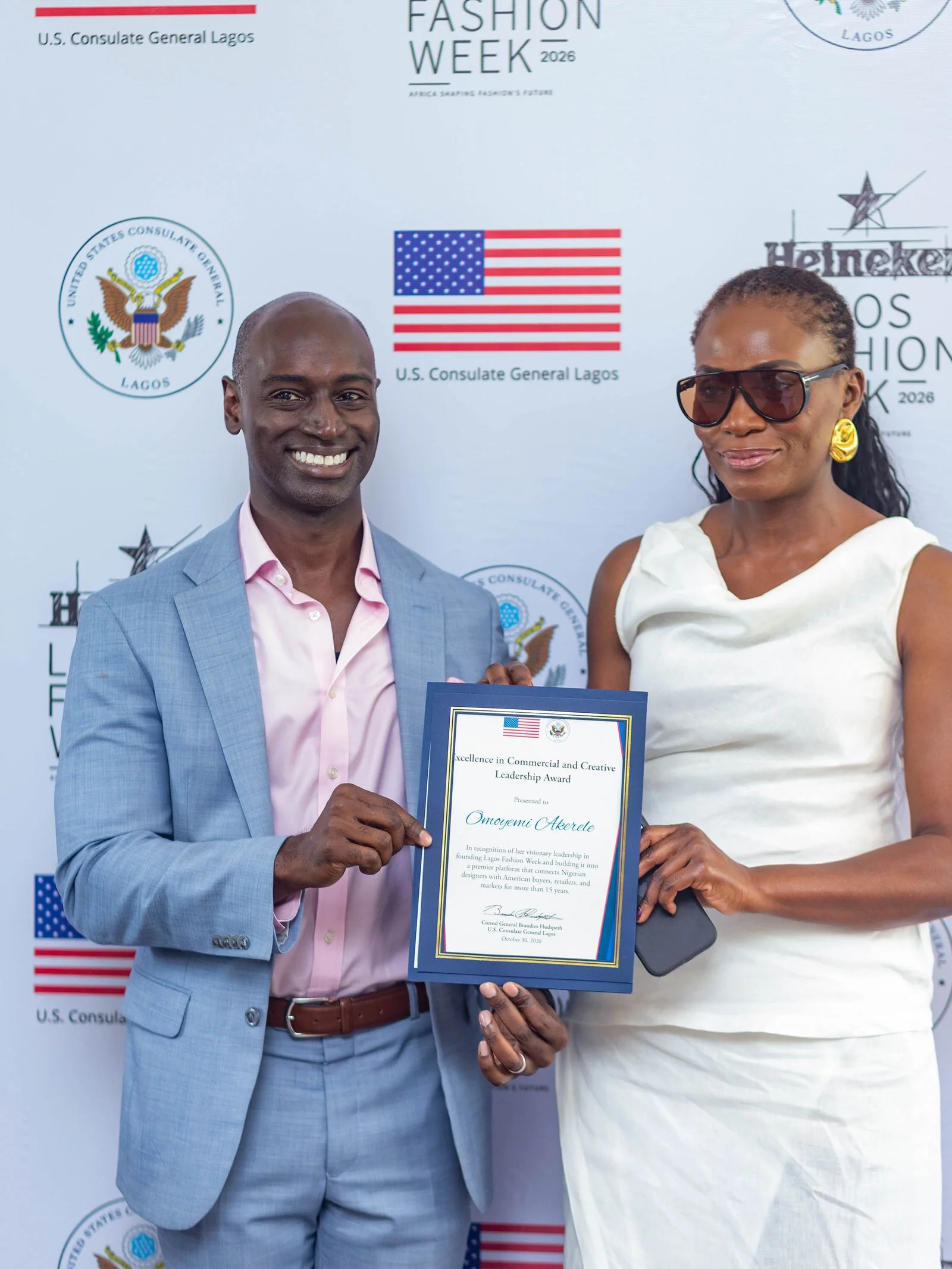
“[Akerele] has built a platform that brings Nigerian fashion to the world,” Hudspeth said at Friday’s event. He recalled that singer Ciara made headlines on the Lagos runway the previous year, and cited US brands Tia Adeola and Studio 189, co-founded by actor Rosario Dawson, as labels that have shown on the schedule.
Hudspeth also described a two-way commercial relationship: Nigerian designers are finding American customers, while their sales create business for both countries. He pointed to Moda Operandi, the New York-based e-commerce platform that runs digital trunk shows for Lagos Fashion Week designers, and Coterie, the trade show that has featured local talent. “This, of course, is cultural diplomacy, but it is also commercial diplomacy, and the consulate is working to build these relations and connections.”
Established designers return on their own terms
Several designers with more than 20 years in the industry came back to the schedule, including Ghana’s Christie Brown and Nigeria’s Lisa Folawiyo and Bridget Awosika. Folawiyo said she had considered the timing carefully before deciding to return to the official calendar. Her label, now 21 years old, closed the week with a candlelit five-course dinner for a small group of celebrities, influencers, friends, and industry leaders.
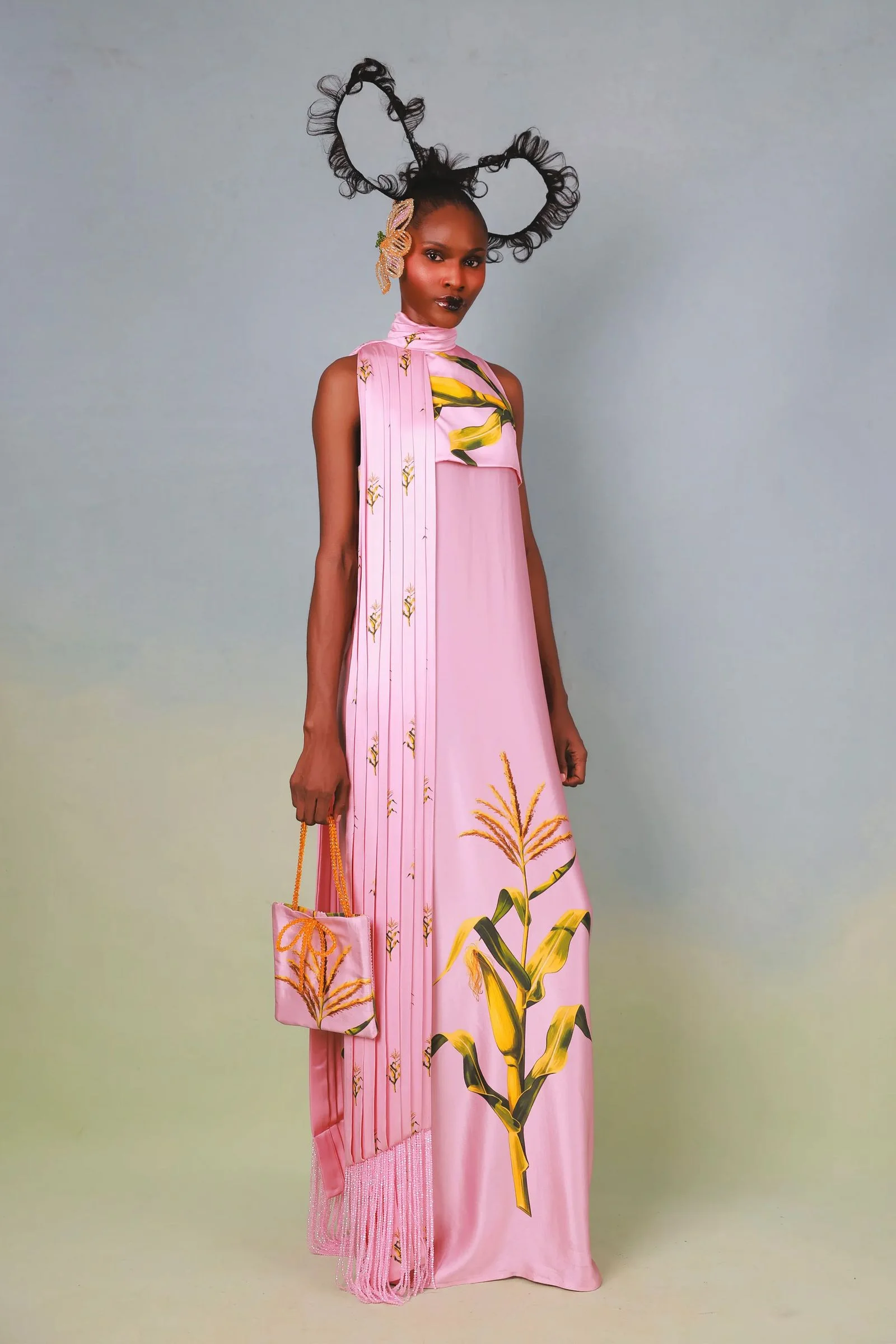
Christie Brown’s return after an eight-year absence is tied to expansion across Africa. Founder and creative director Aisha Ayensu named Kenya, Côte d’Ivoire, Nigeria, Ghana, and South Africa as markets where the brand wants a presence. The approach is measured: “This is a re-entry into the market. We don’t want to come in guns blazing. We want to enter cautiously.” A six-month residency at Lagos luxury retailer Temple Muse gives local customers a place to shop the label.
Ugo Monye also returned after a year away. He described a familiar pressure in fashion: designers can become consumed by making clothes while the business behind the label gets less attention. His answer, and that of several African designers, is a slower production rhythm. Where Western brands may create four or more collections a year, Monye and his peers often make one. Demand for his work from two seasons earlier, he said, hasn’t faded.
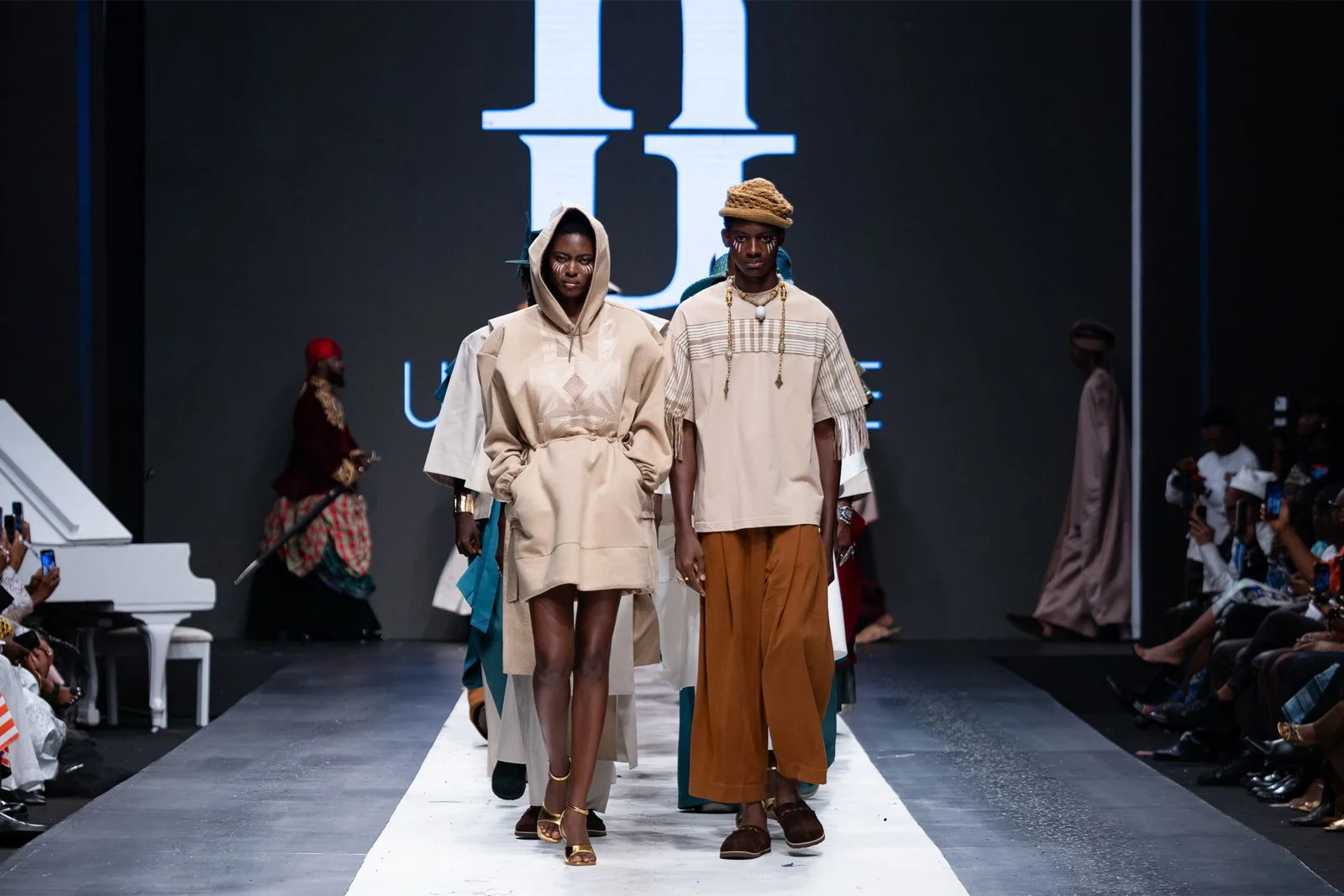
Lagos Fashion Week’s value is becoming clearer: it gives designers visibility, but it also connects them to buyers, peers and a wider regional market. That reach comes with a steep workload. One designer, whose business was strained by backend problems and a small team, skipped the season to recover. “I’m not going anywhere. I’m here for a long time,” he said. Leaving the fashion week calendar, he added, “is out of the question.”
For Weiz Dhurm Franklyn founder Abelia Anaba Franklyn, the media attention is part of the draw. She sees a market for designers with a distinct point of view, arguing that Nigerian consumers have spending power and will respond to work that isn’t a copy of another brand. The couture house is also expanding into ready-to-wear, with pieces starting at $600.
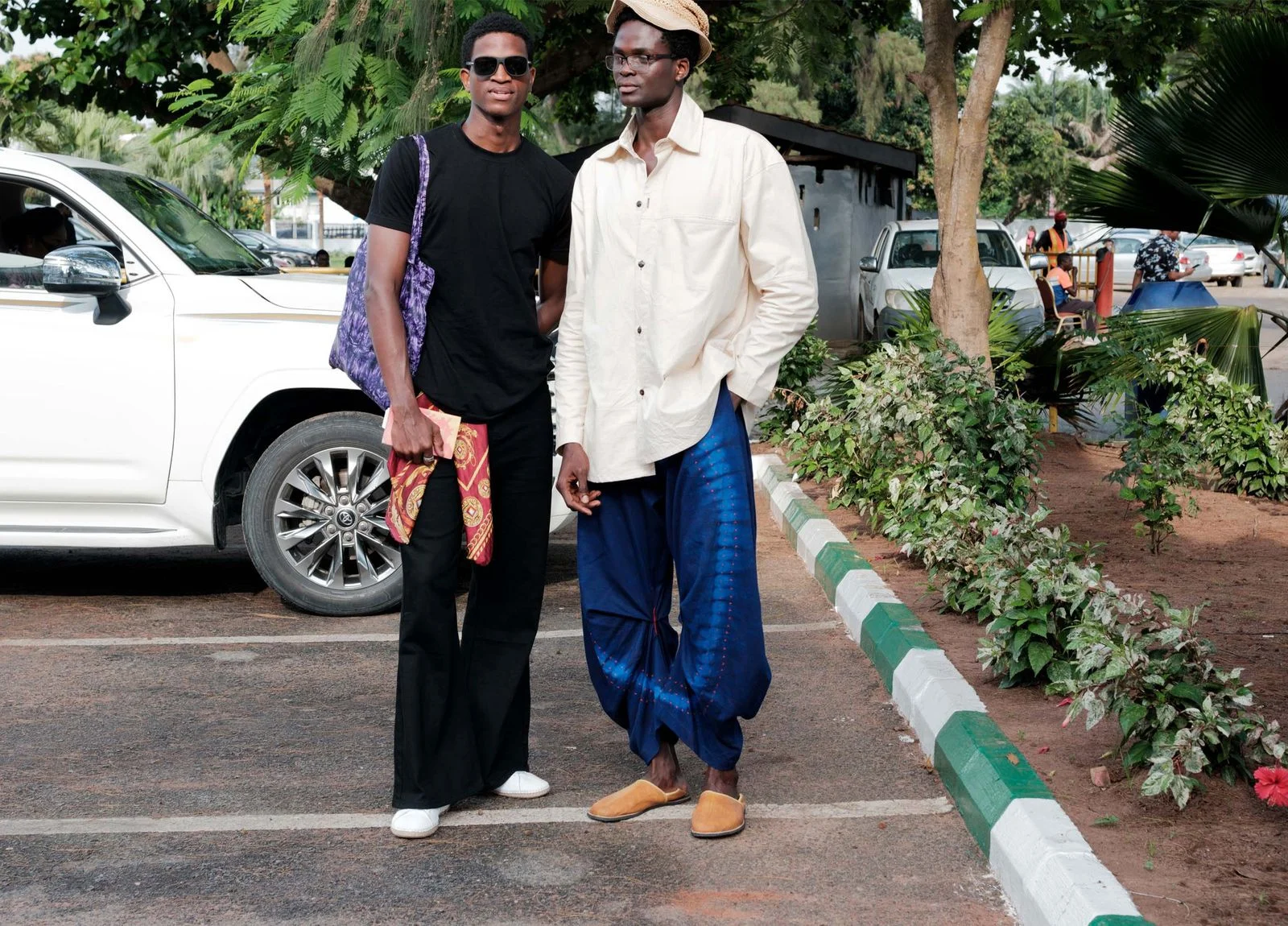
Fashion week can also serve as a stage for a final statement. Post-Imperial announced on Saturday that it would close after 10 years. Founder Niyi Okuboyejo said backstage at the brand’s last show that he had said what he needed to say with it. The collection, created with Nigerian sustainable fashion label This Is Us, marked the end of a business that had built a wholesale operation spanning more than 200 stores, from Bergdorf Goodman in the US to Alára in Nigeria.
Okuboyejo used the courtyard show to make a broader point about fashion presentation: a show needn’t be limited to a runway. Friends of the brands walked the makeshift catwalk, including stylist Ugo Mozie, industrial designer Nifemi Marcus-Bello and Oyinkan Dada of Dada Gallery. “Today’s a great day for me,” he said.
Lagos is becoming a regional meeting point
The schedule draws designers from beyond Nigeria, though Nigerian labels remain the majority. This season included Ghana’s Christie Brown and Uganda’s IGC Fashion. IGC founder Katende Godfrey paid for the trip himself after sponsorships failed to come through, hoping to meet media, reach new customers and access a larger market. He described the event as a rare opportunity for Ugandan designers, who lack media attention and major investors at home.
That support can extend beyond the show itself. Moroccan designer Scheherazade Essrhir, a Green Access incubator alum, said the program taught her that running a label involves far more than making clothes. She valued the Lagos Fashion Week team’s follow-up calls and feedback after the event. For Essrhir, that ongoing contact helped create a sense of community.
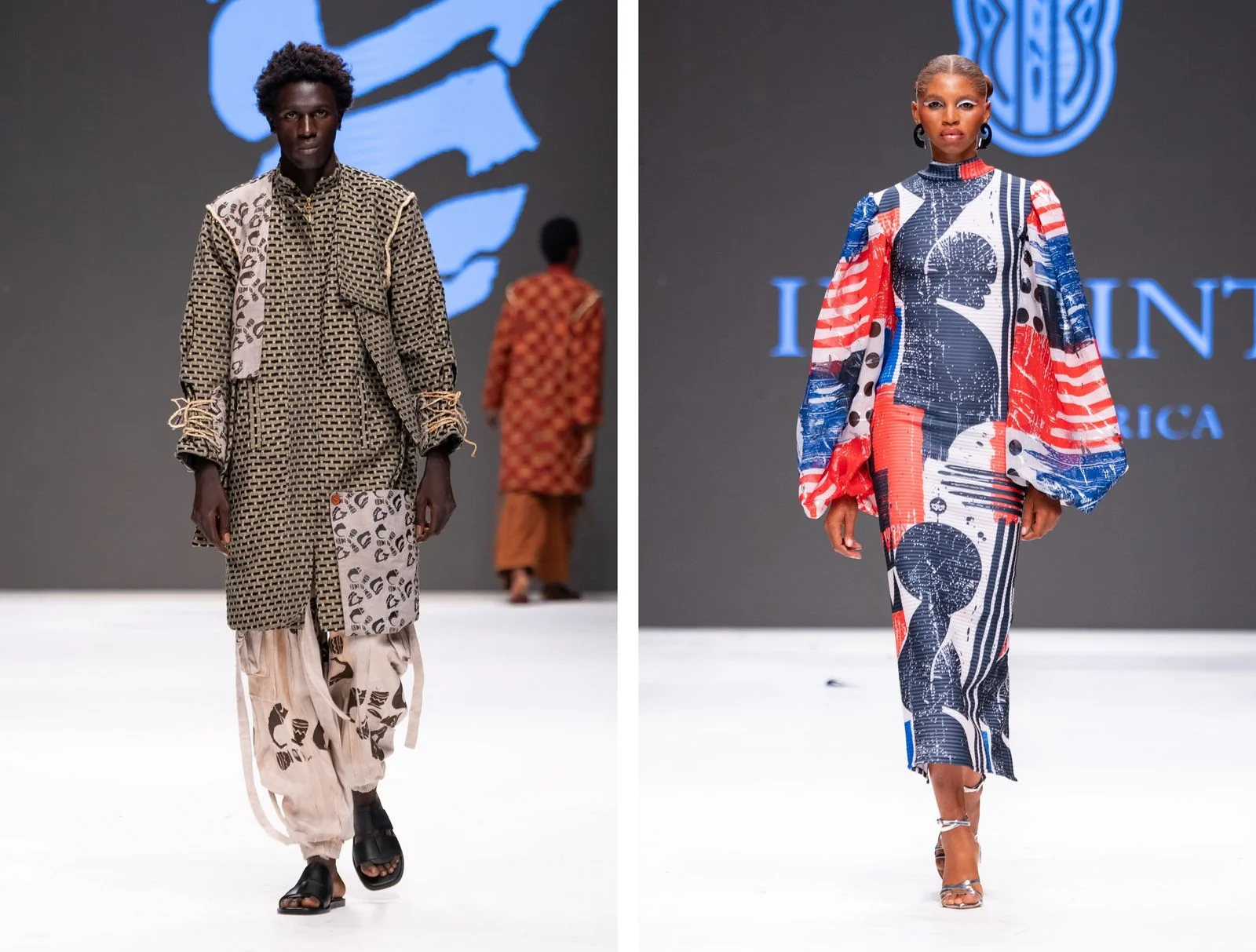
South African designer Mzukisi Mbane, founder of Imprint ZA, sees Lagos as a business opportunity: visibility among people who could help his brand grow matters even when buyers don’t place orders immediately. Mbane was named a recipient of this year’s Africa Fashion Up Award, which includes mentorship from Balenciaga through the platform’s ongoing partnership with the Kering-owned house.
British Nigerian designer Reni Abina returned to show in Lagos because international growth, in her view, should keep a brand connected to the city and community that first supported it. That’s a useful counterweight to the assumption that global recognition requires distance from home.
Buyers want clothes that work beyond the runway
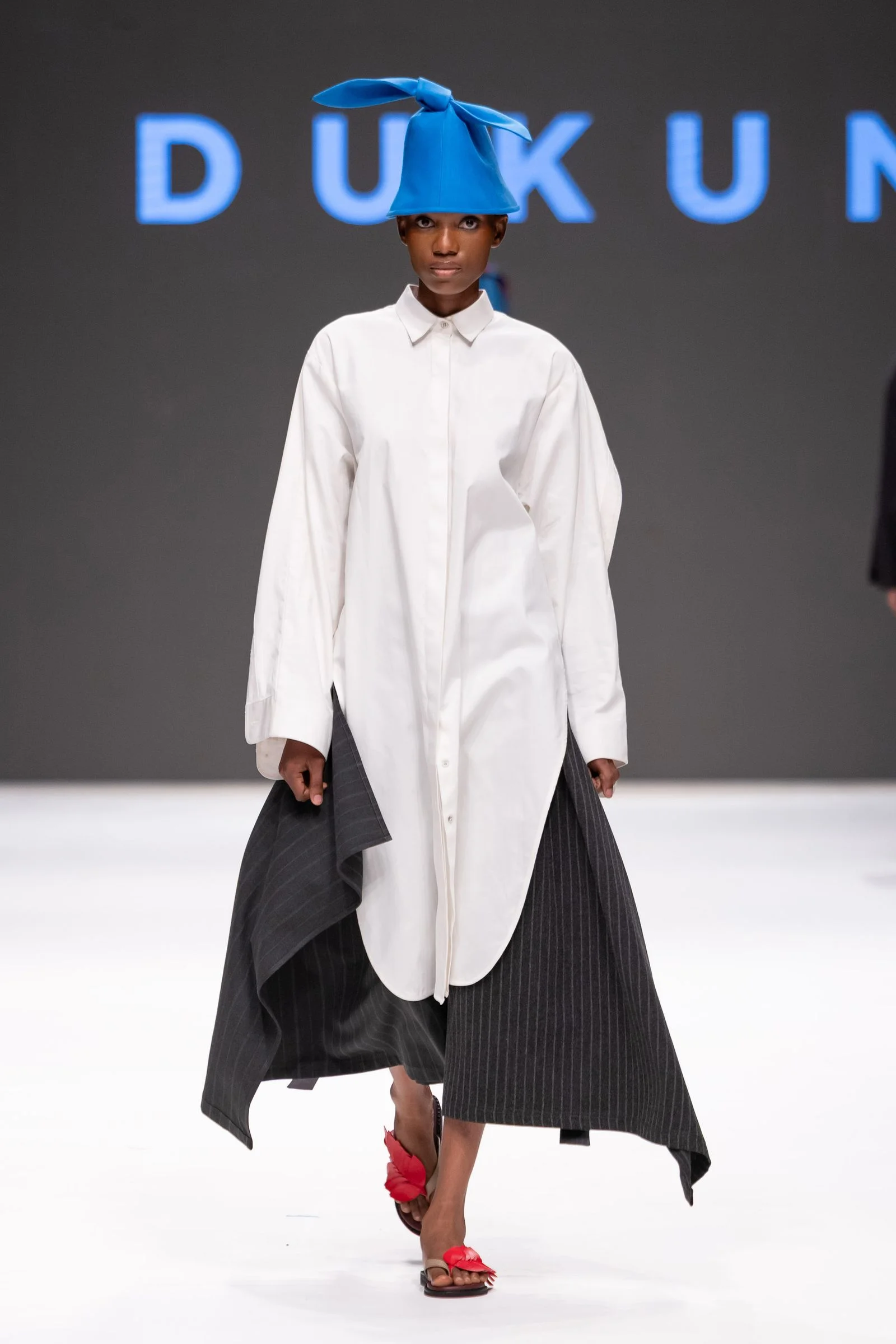
The commercial test is increasingly direct: can customers wear the clothes, and are they made well? Alára buyer Arinola Fagbemi said this season’s collections felt more cohesive than in previous years, with designers showing a clearer understanding of their customers. A showroom organized by Alára and Lagos Fashion Week let buyers inspect garments in person, assessing finish, texture and weight. Fagbemi singled out Orange Culture, Dukun and Orire, while stressing that Alára customers expect quality regardless of where a label comes from.
Local retailers are adapting their buying calendars to match the region’s demand. Alára now reserves a separate budget for Lagos Fashion Week and doesn’t follow the international seasonal schedule. Fagbemi said many African brands can deliver quickly enough for the holiday period around Detty December, when parties and live music drive demand. Alára’s buyers also travel to Milan, London and Paris, so the dedicated Lagos budget signals a deliberate commitment to the local market.
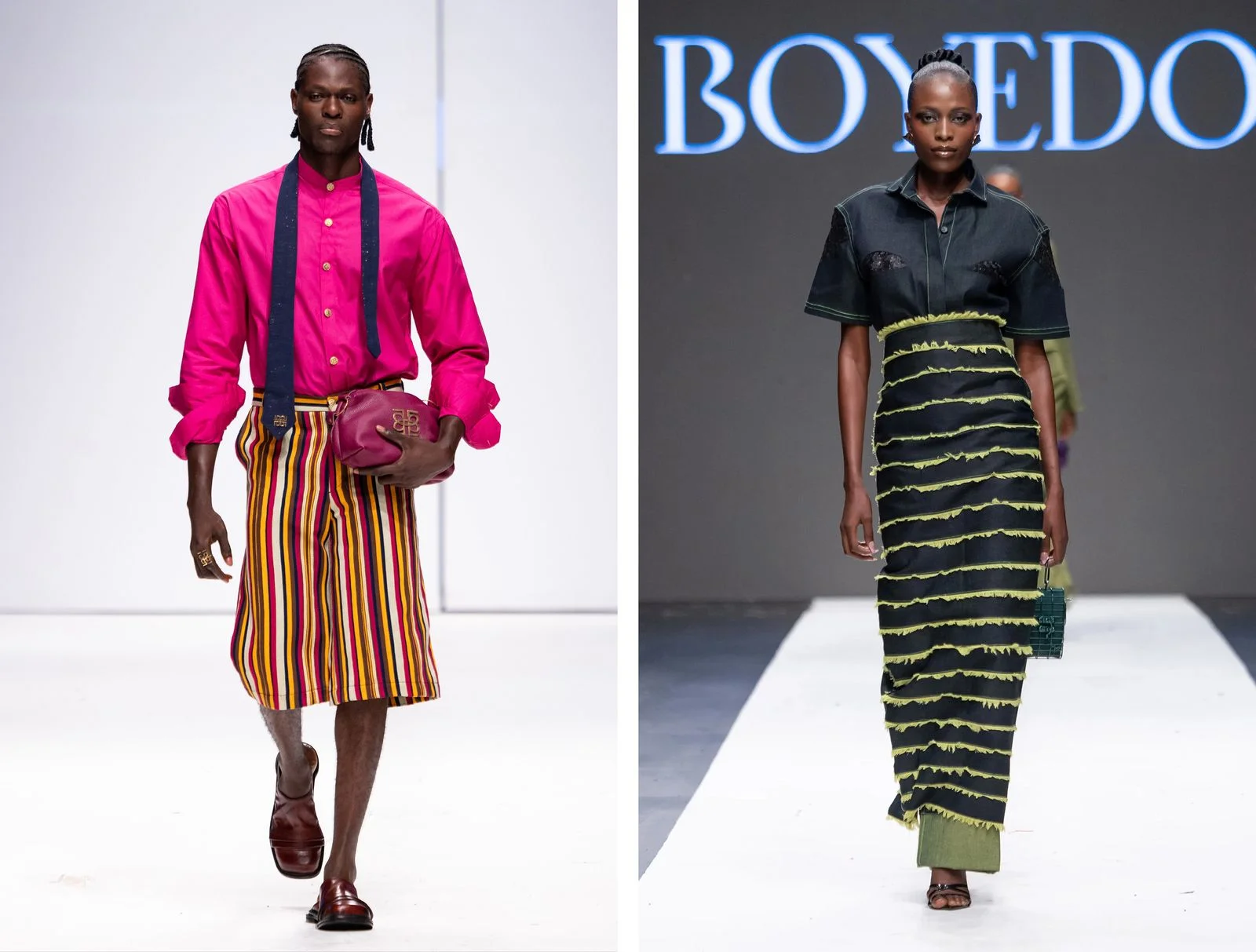
Viva Accra takes a different approach, setting aside money for African designers within its overall budget rather than creating a Lagos-specific allocation. Buyer and creative director Sacha Okoh uses the event to find labels that can sit alongside the store’s international brands. For her, runway impact alone isn’t enough: a collection must also offer quality, wearability and commercial appeal. She highlighted Christie Brown, Jermaine Bleu and Boyedoe.
The numbers and testimony point to a platform whose influence reaches across borders, even if the data doesn’t show how much that attention converts into lasting sales. Lagos Fashion Week SS27 creative director Sunny Dolat said the event drew more international visitors than the previous year, many of whom traveled specifically for fashion week. That makes Lagos an increasingly important place to discover African design. The next measure of its success will be whether the connections made there translate into sustained business for the labels taking the risk to show.