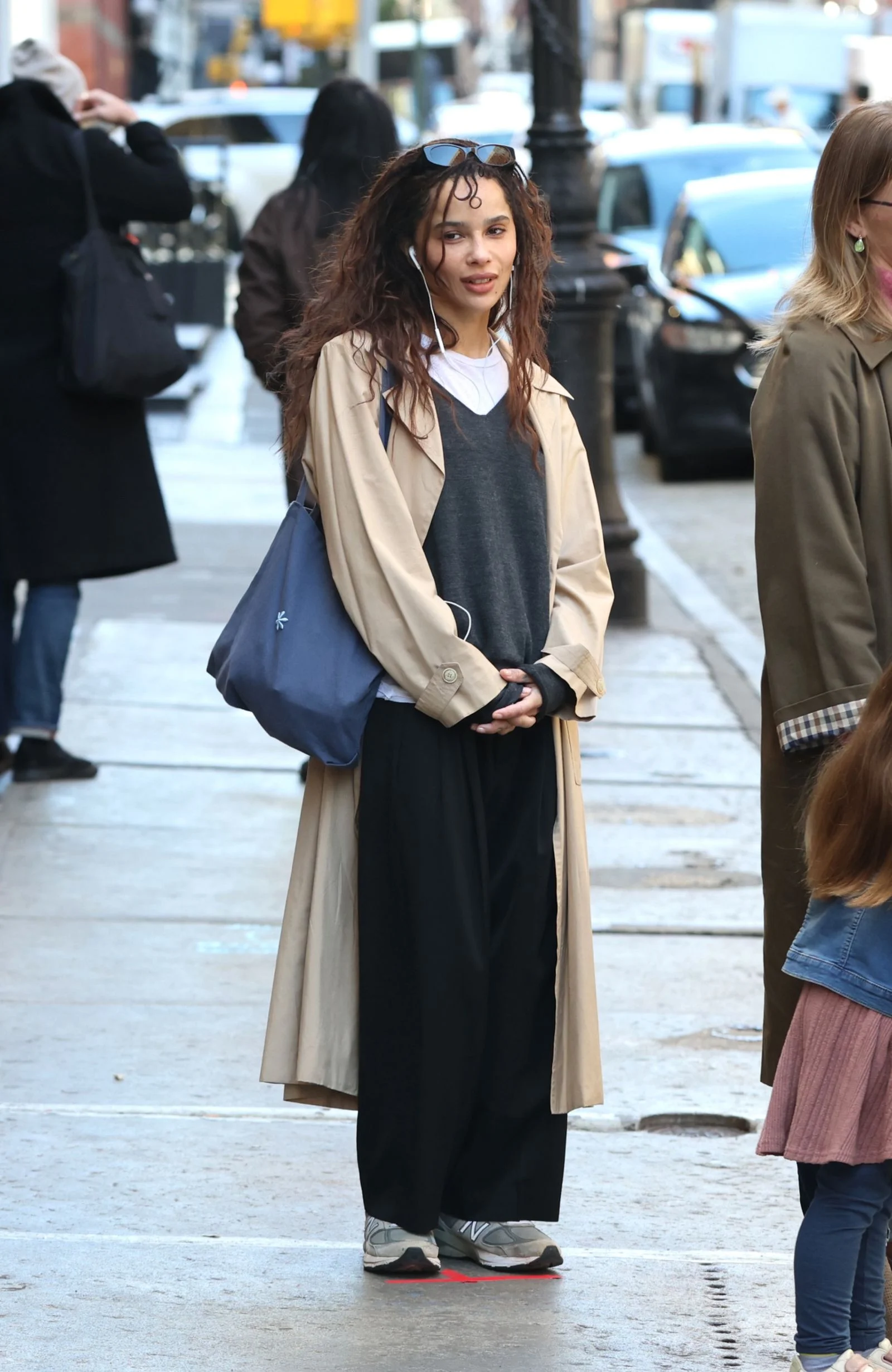
A warmer turn for Zoë Kravitz
Zoë Kravitz’s latest hair change is a subtle shift with a clear seasonal effect: a warm, neutral brown that colorist Rita Hazan calls “coco suede.” Created for Kravitz’s role in the forthcoming film Die Alive, the shade moves away from the cool dark tones and icy platinum she’s worn before. The change isn’t a dramatic reinvention; its impact comes from adjusting the temperature and softness of the color while keeping the overall look restrained.
That restraint is part of why the shade reads as a seasonal change rather than a new image. Brown can look markedly different depending on whether it leans cool, red, or golden, and Hazan describes this one as avoiding the warmer extremes. The result, as presented, sits between familiar brunette territory and the brighter effect of Kravitz’s platinum hair.
What “coco suede” signals
Hazan, the celebrity colorist and salon owner behind the look, says the color avoids both red and brassiness. “It gives her skin tone a sun-like glow,” she says. That description points to a warm brown designed to add light around the face without turning coppery or overtly golden.
Color terms such as “coco suede” are descriptive rather than technical formulas. They help communicate the intended mood and finish, but the final effect depends on the starting color, the hair’s condition, and how the shade is applied. The source doesn’t specify a formula or maintenance routine, so the useful takeaway is the visual direction: a neutral brunette with enough warmth to feel softer than a cool dark shade.
And this is the part most people overlook: a small shift in undertone can change how a familiar hair color works with a person’s complexion. It doesn’t require a sharp contrast to register. A restrained adjustment can make the overall look feel noticeably different while preserving the person’s recognizable style.
A role shaping the look
Kravitz debuted the shade on the set of Die Alive, a dark romantic comedy written and directed by Megan Park, whose credits include My Old Ass and Sterling Point. Hazan says she colored Kravitz’s hair a few weeks ago for the role. That timing ties the change directly to the production rather than presenting it simply as a personal style decision.
For film work, hair color can help establish a character’s appearance and distinguish it from an actor’s previous public image. A shift from icy platinum to a warm brown is legible without being so extreme that it overwhelms other choices in styling or performance. The source gives no details about the character or the film’s visual approach, so the shade’s precise narrative purpose remains unknown.
If you’re working in this space, the practical point is that a film look can also become a reference for everyday styling once audiences see it. But that connection shouldn’t be mistaken for evidence of a larger trend: one actor’s role-specific color change can suggest a direction without proving that salons or clients are broadly moving toward it.
Why the change may resonate
Warm brunette shades often appeal when someone wants a visible refresh without committing to a high-contrast color. They can soften the impression of darker hair, while avoiding the upkeep and visual intensity that may come with a much lighter shade. The source doesn’t say whether Kravitz will keep the color beyond filming, and a production look doesn’t automatically signal a lasting personal preference.
This is more significant than it looks as a styling choice: the appeal lies in how carefully the change is calibrated. “Coco suede” is positioned between cool brunette and conspicuously warm brown, giving the look a seasonal cue without making the color itself the whole story. A modest shift. That’s often enough.
What’s known about the film—and what comes next
More details about the film are still to come. For now, Kravitz’s restrained color change offers a warm direction for fall hair. The available information establishes the shade’s broad character, its connection to the role, and Hazan’s stated aim for its effect on Kravitz’s complexion.
That said, the look is only a first glimpse of the film’s styling, not a reliable preview of its plot or full visual identity. What this means for you is straightforward: if you’re considering a seasonal brunette shift, the reference is warmth without obvious red or brassiness. The exact result will depend on your starting color and the stylist’s choices, and the source offers no further production details yet.