
A coffee shop’s syrup bottle has become a surprisingly visible part of its brand. For customers paying $8 or more for a latte, seeing a familiar commercial label can suggest that the shop’s craft stops at the espresso machine. House-made syrups offer independent cafes a way to answer that concern—and to make the sweet, elaborate drinks customers increasingly expect feel distinctive and carefully made.
That shift has turned Torani, the best-known target, into a recurring social media villain. A TikTok video panning across Torani bottles at a Pennsylvania cafe drew more than 82,000 likes, with its caption predicting a disappointing latte. Another post declared, “If I see these at a cafe, I’m walking out immediately,” according to a widely backed tweet. Creators have also chronicled swapping Torani for products from small businesses, while the food newsletter Unsnackable published a “Torani tirade.”
Monin attracts some of the same criticism, including claims that its syrups taste “like chemicals,” as seen in a Reddit discussion. The complaints point to a broader change in how some specialty coffee customers judge a drink: pre-bottled flavorings can read as a shortcut, and as a sign of the chain-store experience they hoped to leave behind. For cafe owners, that perception creates pressure, but also room to differentiate.
Customers rewrote the menu
Carrie and Dennis Medina opened Room Service in Ventura, California, expecting a restrained menu modeled on Sightglass Coffee, where both had worked. Their original plan centered on single-origin beans and eight pour-over options. No syrups, no specialty drinks, and certainly no cream tops. Customers began asking for those extras during the first week.
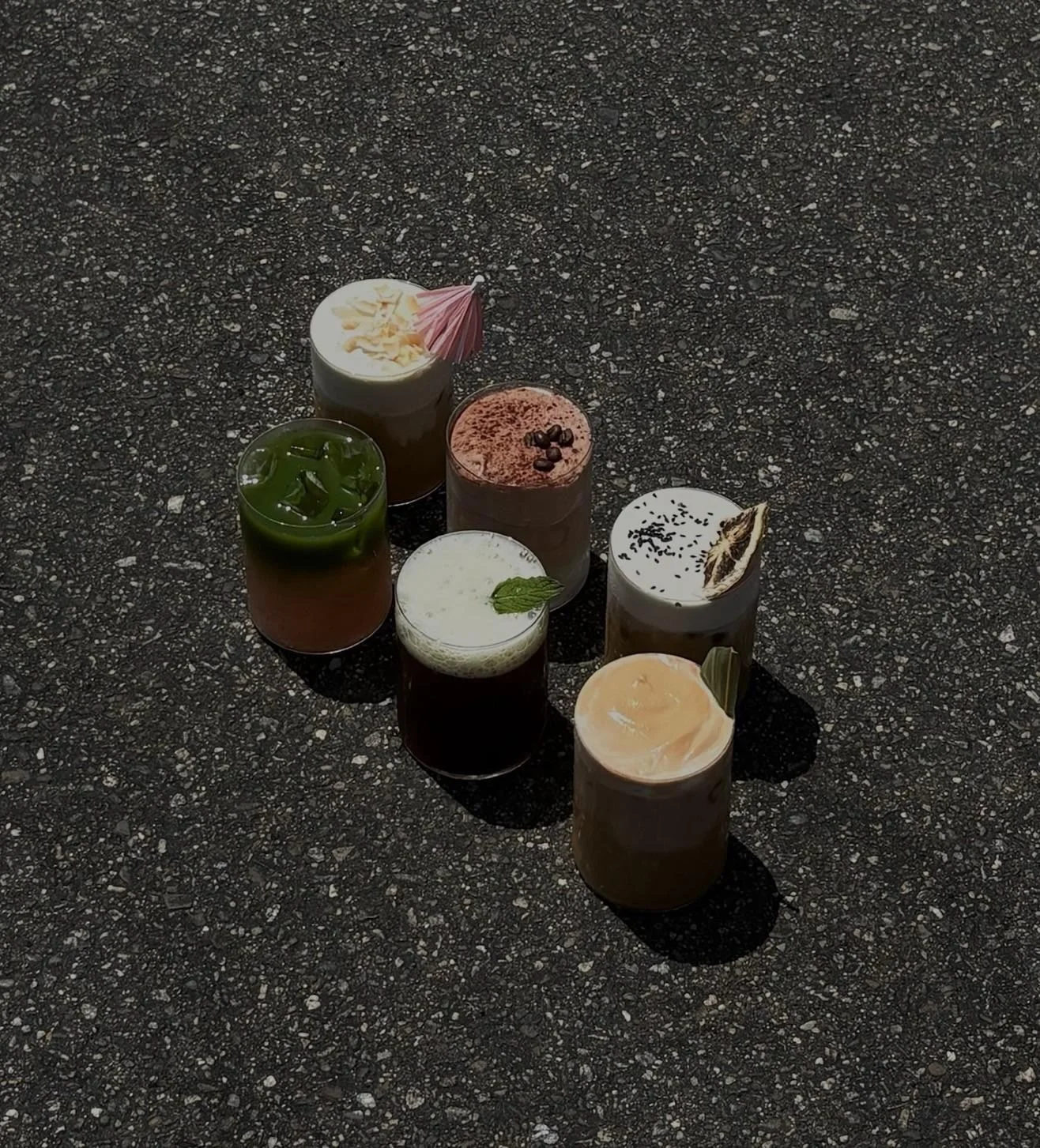
Room Service now makes 10 to 12 syrups and six cream tops in-house. The menu includes a cinnamon roll latte finished with an actual cinnamon roll and a honey cornbread latte topped with ube cream. Dennis says customers regularly ask whether the syrups are made at the shop. In his view, cafes that don’t make even basic flavors such as vanilla themselves risk falling behind what customers now expect.
Meeting that demand takes real labor. The Medinas hired a full-time prep cook to focus on the components that distinguish the menu. Their pumpkin spice latte begins with kabocha squash, roasted and blended with spices including cloves and cinnamon, then cooked into a syrup over two days. Carrie describes the business as having become different from the coffee shop they first imagined. Their response has been to bring the same attention to those drinks that they bring to their beans.
Michael Smith encountered a similar shift after opening Trust Coffee Co. in Bay Village, Ohio, in 2025. He had pictured a pour-over-focused, third-wave cafe, but his customers asked for seasonal flavors such as maple rosemary, caramelized banana and strawberry rhubarb. Smith, who also runs a restaurant and catering business, says that a business’s customers often reveal what it is more clearly than its owner’s original plan.
The purist is no longer coffee’s north star; the maximalist is.
The larger trend is toward what the New York Times called “hyperflavor”: familiar foods made more appealing through layered, sometimes unexpected combinations. Miso in a peanut butter or chocolate chip cookie, for instance, has moved from novelty toward the expected. Specialty coffee has taken a similar turn. The care once associated primarily with black pour-over coffee now goes into drinks built more like desserts or cocktails, with flavor, texture and toppings treated as part of the craft.
Scratch-made flavor carries a cost
For Smith, making syrups gives Trust more control over what goes on the menu. Two full-time pastry chefs from his other businesses oversee the work. He says a new syrup featured on the cafe’s social accounts can bring a line out the door for a week. The appeal is both the flavor and the fact that customers can’t get the same drink everywhere.
Sabrina Kaylor’s experience at Bizarre Coffee in Canton, Georgia, shows how the shift can happen over time. When she opened the cafe in 2020, bottled syrups were standard for her team, which was learning the trade. In the years after COVID, Kaylor saw more interest in making food from scratch and a growing sense of pride in doing so. As Bizarre became known for blueberry, banana and guava lattes, she began replacing bottled flavors with house-made versions.
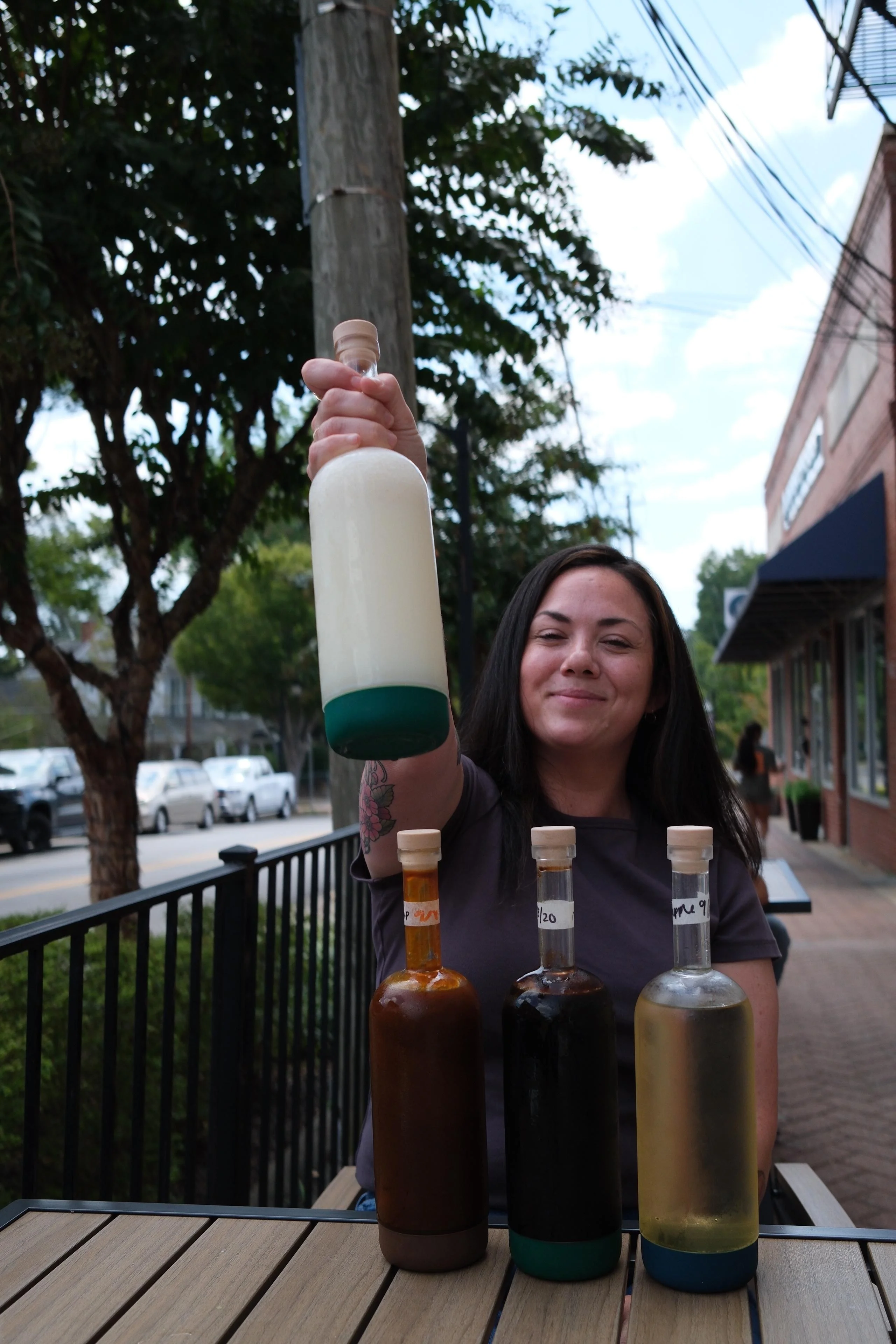
Customers who once rarely asked where a syrup came from now ask often. About 90 percent of Bizarre’s drinks use house-made syrups, but the cafe still relies on bottled syrup for one of its best sellers. Kaylor points out that producing everything in-house requires substantial time and work, particularly with an extensive menu. She also sees a marketing element in the current push toward scratch-made syrups, and says the wave of anti-Torani memes can be discouraging to small operators.
That tension matters. Customers may treat a syrup brand as shorthand for a cafe’s values, while owners have to balance that expectation against staffing and preparation costs. House-made can set a business apart, but it isn’t a simple switch: Room Service needed a dedicated prep worker, while Trust draws on pastry chefs already employed by Smith’s other businesses. Bizarre keeps a bottled option because customer demand and labor don’t always point in the same direction.
Independent cafes borrow strength from each other
The syrup debate also reflects consumers’ growing interest in local businesses and skepticism toward large food and beverage companies, including the influence of private equity in the industry. But independent shops can’t rely on local identity alone. They need products that give customers a reason to choose them—and increasingly, a memorable seasonal latte does that work.
Minnesota cafe Little Joy has built an audience by sharing recipes for its signature drinks in detailed videos. It now sells a membership for other cafe owners that includes recipes scaled for commercial kitchens and training videos. Members can sell the drinks without crediting Little Joy, though participating cafes can add their locations to a Drink Finder map.
Little Joy owner Cody Larson told Eater’s industry newsletter Pre Shift that the recipe system is a way for independent businesses to support one another. “The big coffee chains, they’re never gonna do house-made syrups, so I think that’s where independent shops can get a leg up,” he said. His point is practical: shared recipes can help smaller operators raise the quality of their menus without each shop having to invent every drink from scratch.
The elaborate drinks now common at specialty cafes have clear roots in chain coffee culture. The combination of app ordering and social media drink hacks helped normalize intricate custom orders at Starbucks and other large chains. Specialty cafes are responding to that appetite with drinks that can evoke desserts such as princess cake and tiramisu, while using local ingredients and house-made components to distinguish the result.
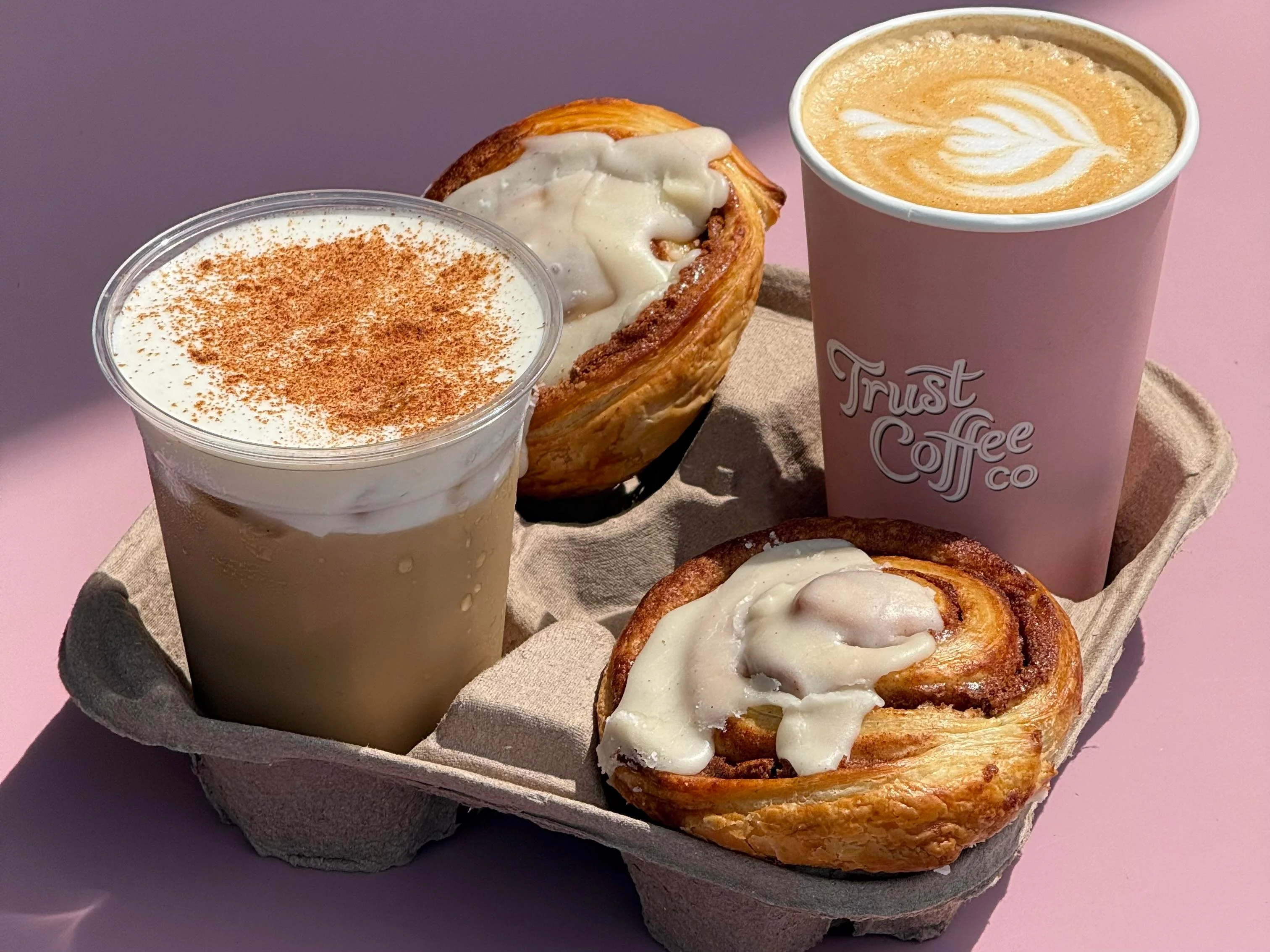
Smith suspects some customers who once chose Starbucks are looking for a more local version of the complicated drinks they already enjoy. That gives independents an opening: serve the custom flavors and indulgent textures people recognize, then make the experience feel specific to the neighborhood and the shop.
As drink prices rise, customers want a reason to believe the extra cost reflects care. House-made syrups can make that care visible, from the ingredients and labor behind a seasonal flavor to the recipe a cafe shares with its peers. They won’t suit every menu or every staffing plan. But for shops competing on character as much as coffee, the syrup increasingly tells customers what kind of place they’ve walked into.