Paris Restaurants Worth Returning To: Bistros, Charcuterie, and More
Food | By Caitlin Gunther | October 31, 2026
Paris doesn’t need another definitive list. The more useful question is which restaurants make you want to come back—and why. The city’s dining scene keeps shifting: old bistros hold their ground, young chefs bring fresh energy to familiar forms, and the city’s many cuisines reflect generations of immigration and colonial history. Keeping track of it all is a moving target, even for a food journalist who lives here.
That churn is part of the appeal. Neo-bistros now reach well beyond the 11th arrondissement; chefs collaborate and cheer one another on. A memorable meal might come from a modest room on an ordinary street in the 20th, or from a sleek counter in the 4th where herbs picked that day in Montreuil finish the plate. And sometimes the case for a restaurant is simpler: a dependable green curry in Belleville, or a much-loved bistro’s peppery filet mignon. Here’s the thing: a city’s best restaurants aren’t only the newest or most elaborate. They’re the places that reward another visit.
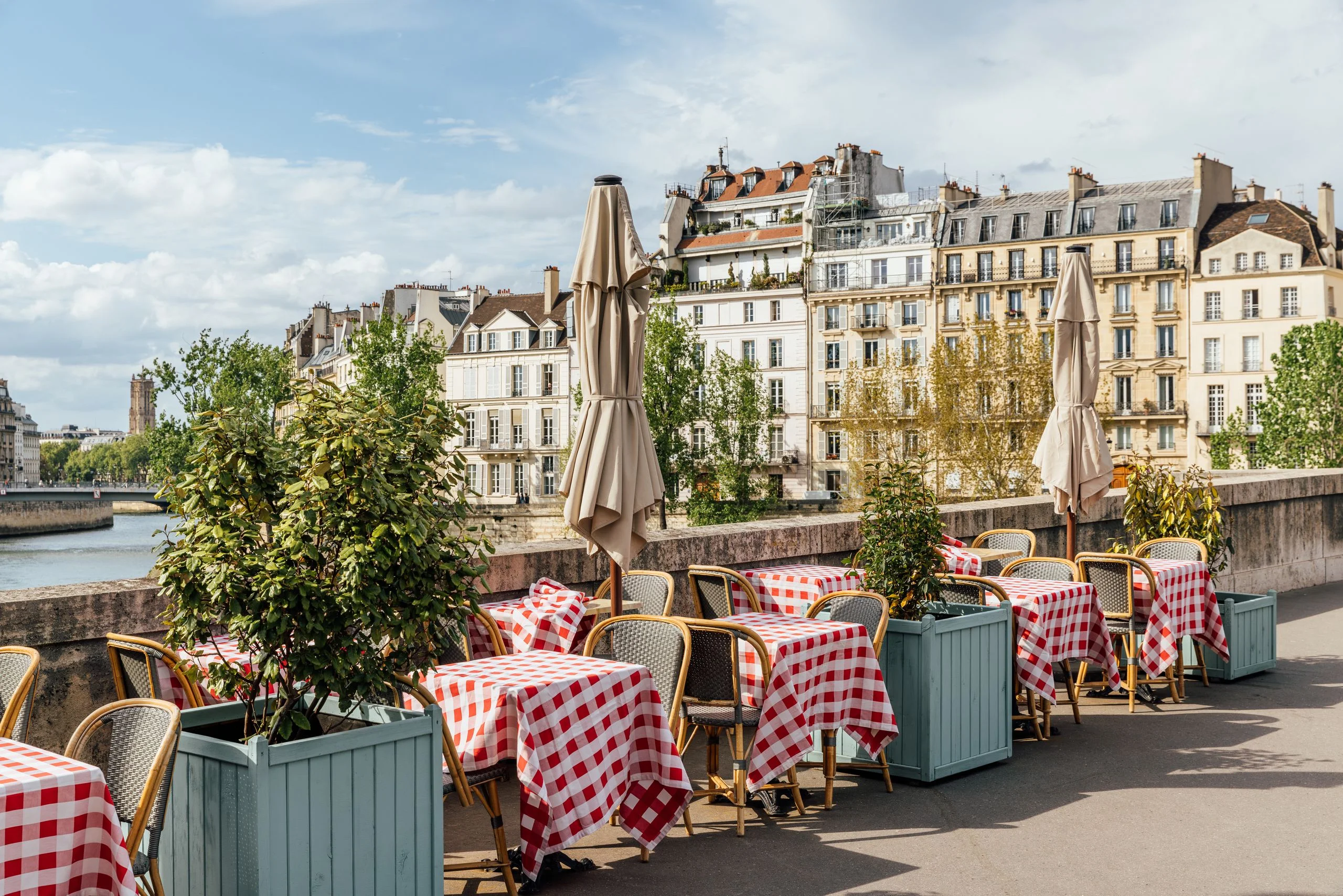 Photo: Getty Images
Lissit
Instagram content
Since opening in 2025 in the Parmentier neighborhood of the 11th, Lissit has built a following among adventurous eaters. Chef Claire Grumellon, formerly of Vaillant, is part of a new wave bringing charcuterie back into focus. Her partner in the restaurant, Alexis Lissitzky—previously at Soces—runs the dining room and a thoughtfully sourced wine list that ranges from classic and biodynamic bottles to natural wines, including Domaine Pierre Prieur Sancerre and Domaine Grain par Grain from winemaker Caroline Ledédenté.
You can ease in with oeufs mayo topped with pickled herring or line-caught Vendée mackerel with pepper sauce. The more revealing dishes ask more of you: quail-neck sausage, which is notably mild, and the signature tarte Tatin boudin poire, a sweet-savory construction of pear, blood sausage, and buttery pastry. Lissitzky says even the Paris Fashion Week crowd gives in to it. That’s a good measure of the restaurant’s appeal: playful cooking with enough confidence to make an unlikely combination feel persuasive.
Bistrot Paul Bert
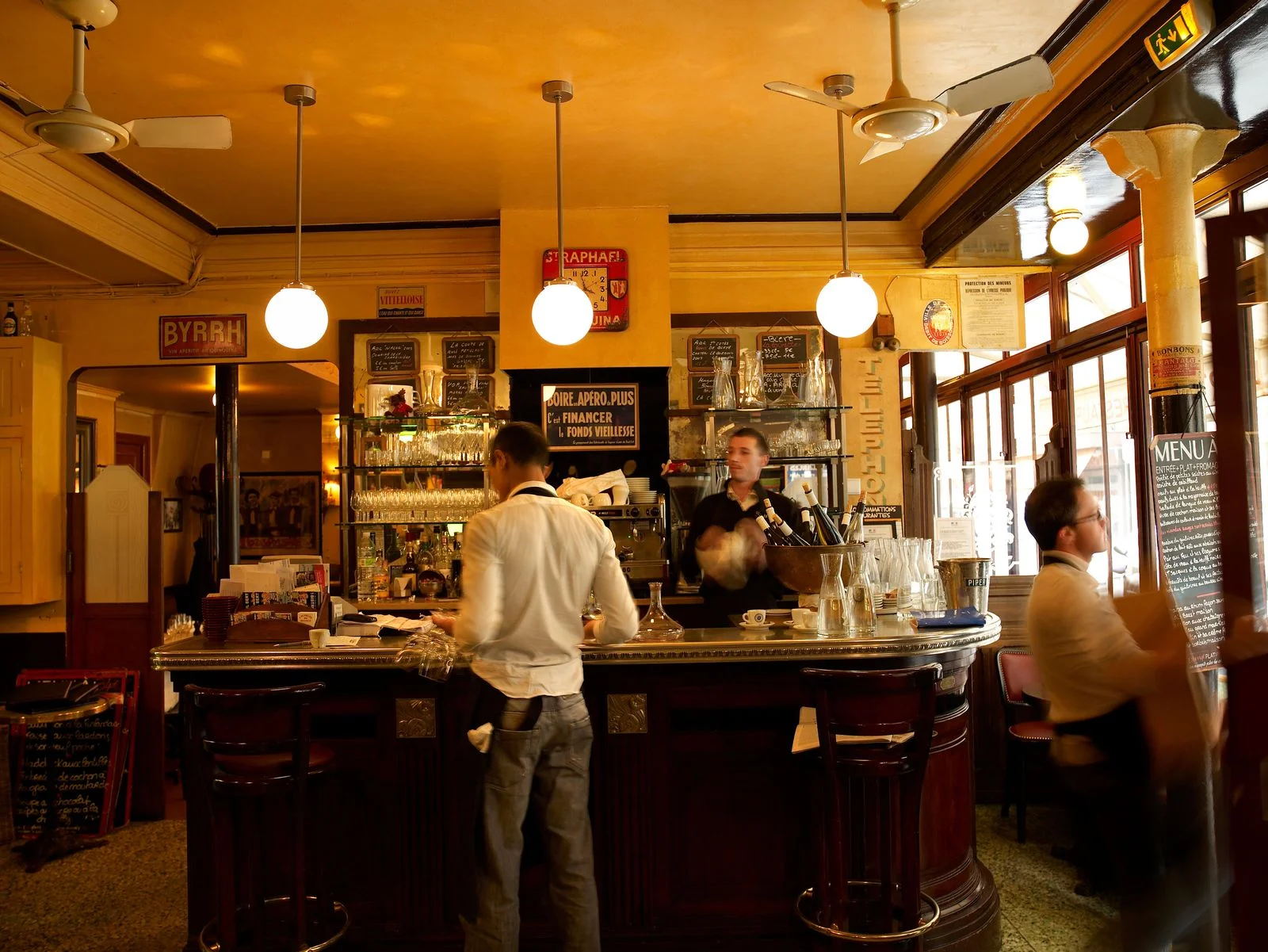 Photo: Hemis / Alamy Stock Photo
Opened in 1997 by Bertrand Auboyneau and Gwénaëlle Cadoret, Bistrot Paul Bert has earned its place among Paris institutions such as Le Baratin and Septime. Its lasting draw is straightforward: classic dishes cooked with care in a lively 11th arrondissement room. The steak au poivre arrives pink and glossy with pepper sauce, alongside crisp fries; Dover sole meunière comes with buttery new potatoes. For dessert, strawberries and raw cream can be all you need.
Reservations are recommended and can be hard to secure. Next door, La Cave Paul Bert offers a practical alternative: it welcomes walk-ins, has a strong wine list, and hosts a changing lineup of pop-up chefs. The restaurant’s standing is reflected even in its signature merchandise, made with Gift Shop.
Les Arlots
Instagram content
Ask a Parisian who knows the city’s food for a dish worth seeking out, and Les Arlots’ saucisse purée is likely to come up. Chef Thomas Brachet revises it every year or so: a browned, herb-filled sausage, chives, and whipped mashed potatoes made with AOP Pamplie butter, all brought together by a deep, homemade jus. It’s a bistro signature with real staying power.
The rest of Brachet’s menu changes often but keeps the same generous spirit. Recent examples include scallop tartare with toasted hazelnuts and wildflowers, and confit duck with potatoes sautéed in wild garlic. Save room for the chocolate mousse, made with three chocolates and farm-fresh eggs, without cream.
When Les Arlots is booked, its sister spot next door, Billili, makes a good choice for an apéro: mostly natural wine with thinly sliced saucisson or oeufs mayo. It also serves small plates, including green bean salad and Réunionese steamed dumplings filled with savory pork. Walk-ins are welcome; arrive before 7 p.m. if you want a better shot at a seat.
Le Baratin
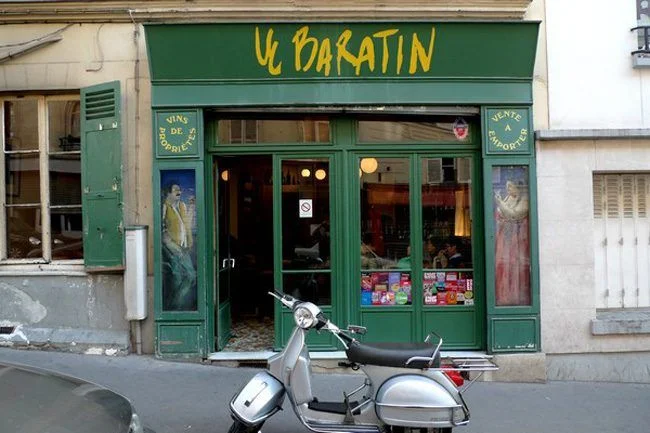 Photo: Courtesy of Le Baratin
Opened in 1987 on a narrow street off the Belleville hill, Le Baratin helped shape the bistro revival that followed. Its influence reached chefs including Iñaki Aizpitarte of the once-mythic Chateaubriand. Argentine chef Raquel Carena has run the kitchen from the beginning, serving the kind of honest, hearty bistro cooking that gives a restaurant its staying power.
Lao Siam
On the slope between lower and upper Belleville, Lao Siam is the restaurant people queue for. The Souksavanh family opened it in 1985, and the second generation still runs it. Locals and Paris chefs keep coming back, which is often a better endorsement than a fashionable opening. The dining room is roomy and welcoming, service moves quickly, and families fit right in.
Here, consistency is the draw. The menu has held steady for more than four decades, with dishes such as spiced papaya salad, crisp fried chicken with chili sauce and pickles, shrimp green curry, and pineapple stuffed with shrimp, sausage, and dried pork. That familiarity has real value: Lao Siam works for a celebratory dinner, but it’s just as suited to an unhurried Sunday meal.
Chez L’Ami Jean
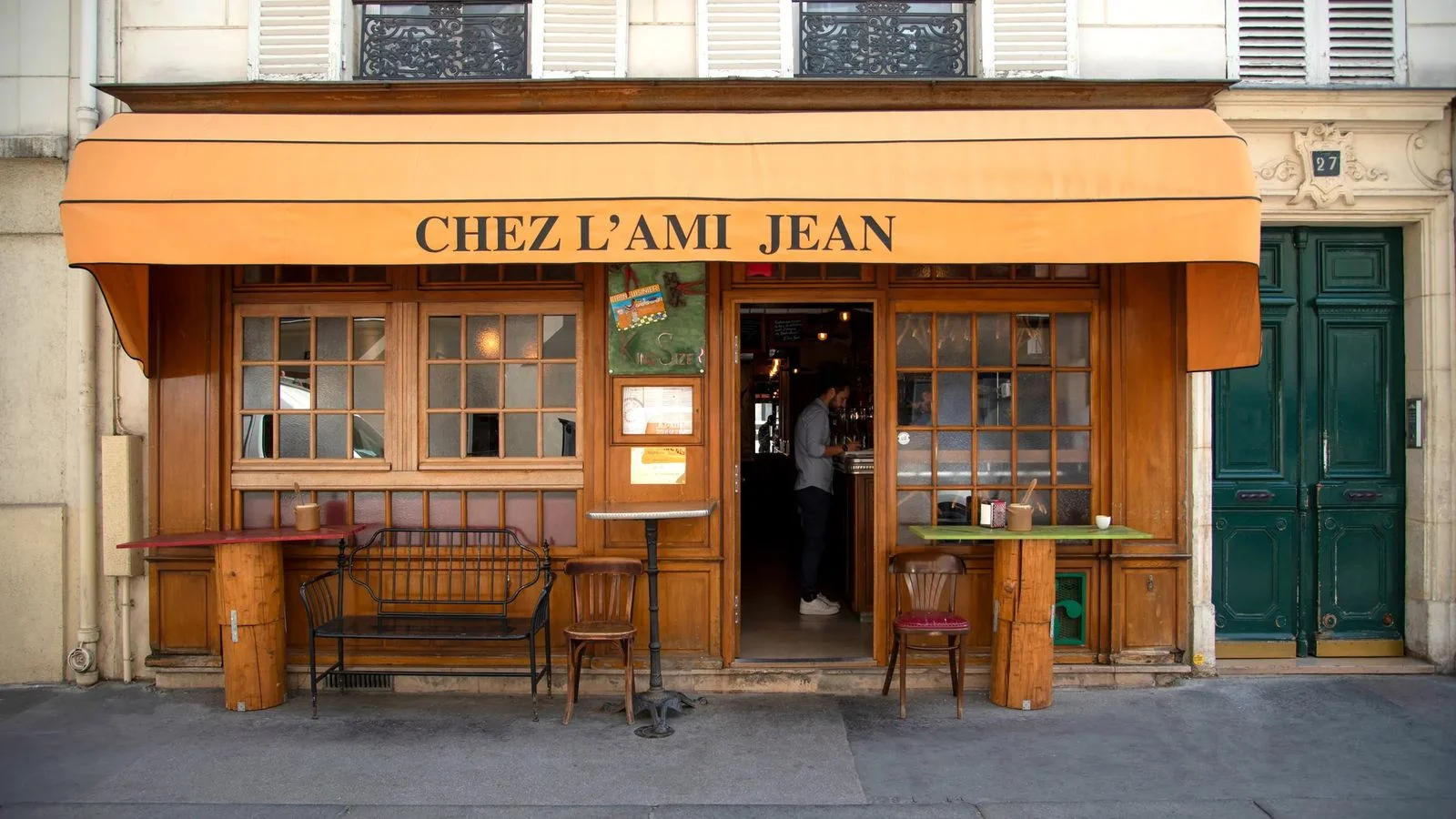
Stéphane Jégo took over a modest Basque tavern in the 7th arrondissement in 2002 and turned L’Ami Jean into one of Paris’s defining bistronomy restaurants. The room’s red leather banquettes and tiled floors have their charms, but the cooking is the point: rustic French food with a clear nod to the restaurant’s Basque past.
That might mean smoked-paprika octopus, tomato salad with Bayonne chili and burrata, or the chef’s father’s country terrine; roasted pigeon with thyme and butter-roasted sweetbreads make the menu a serious proposition for meat lovers. Portions are famously generous, so finishing dinner can be the real test. The French-focused wine list ranges from Burgundy and Loire whites to reds from Saint-Émilion and Savigny-lès-Beaune. Save room for the rice pudding, topped with roasted nuts and homemade caramel. It may prompt comparisons to a beloved family recipe, but it has earned its own following.
Oobatz
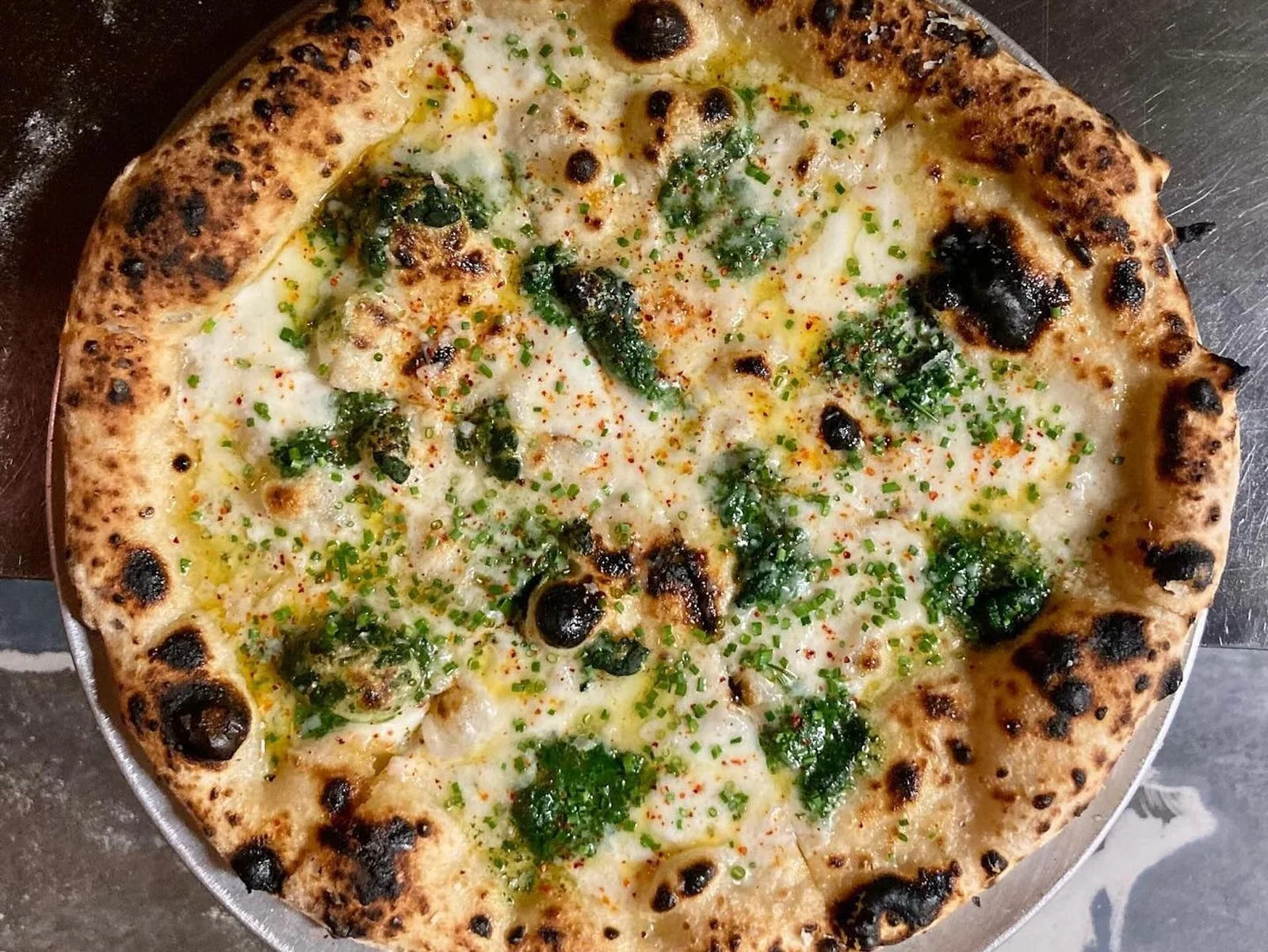
Paris has no shortage of pizza claims—or long waits for pies that don’t justify them. Oobatz takes a quieter approach. Opened in 2024 by the team behind Le Rigmarole, it’s built around chef and co-owner Dan Pearson’s sourdough pizzas. The results are among the city’s best, and the consistency makes the place easy to recommend.
The crust is thin, lightly salted, and strong enough to carry its toppings without losing its own character. Those toppings shift with the seasons: spring might bring asparagus and new potatoes with lemon confit; summer, barely sweet garden squash. If you’re deciding whether to return, the changing menu makes the case. Well-chosen IPAs, lagers, and lambics sit alongside natural wines by the glass or pichet.
Winona Bar
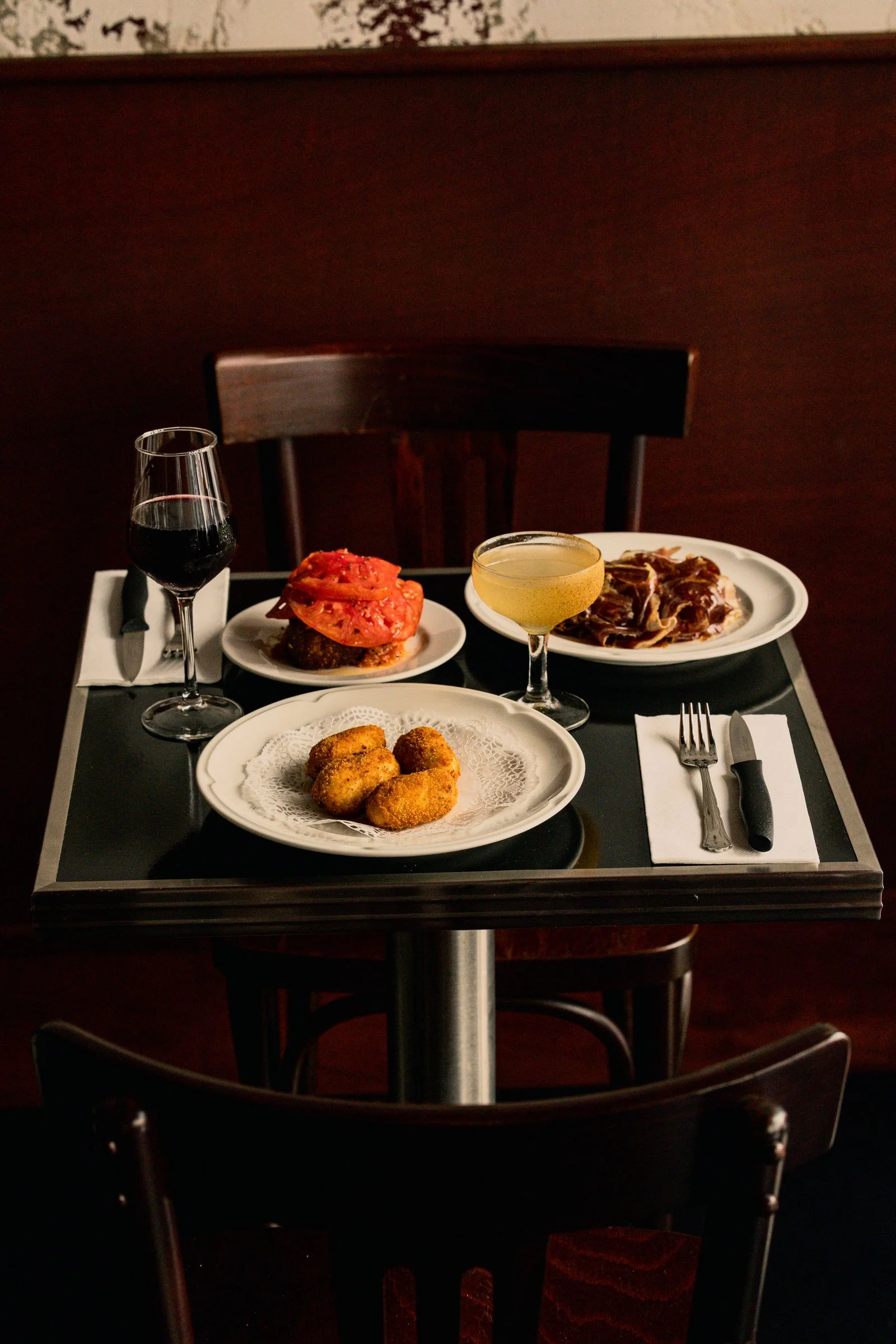
Winona, a cocktail bar and restaurant in the 11th arrondissement, opened in July and has already become a scene. For a New York native who has spent time in Spain, it answers a specific Paris frustration: finding a properly made dirty martini or Spanish tortilla. The room reworks the Parisian bistro with a horseshoe bar in Bordeaux-colored marble, a lacquered ceiling, and pale concrete walls marked with deep red.
The dirty martini is small and briny; the Piparita Margarita comes from a precise, considered cocktail list, though bartender Yves Carlier was happy to swap in mezcal on request. The tortilla, firm at the edges and barely set within, is good enough to rival versions in Bilbao’s Casco Viejo. Order sourdough for soaking up the center. Warm pickled figs with Roquefort make an easy starter, while red tuna belly arrives as a substantial bone-in fillet with thin fried potatoes, vinegar, and crisp garlic. Chef Cecilia Munguira, raised in Gijón after being born in Madrid, makes a persuasive case for Spanish cooking in Paris.
19 Saint Roch
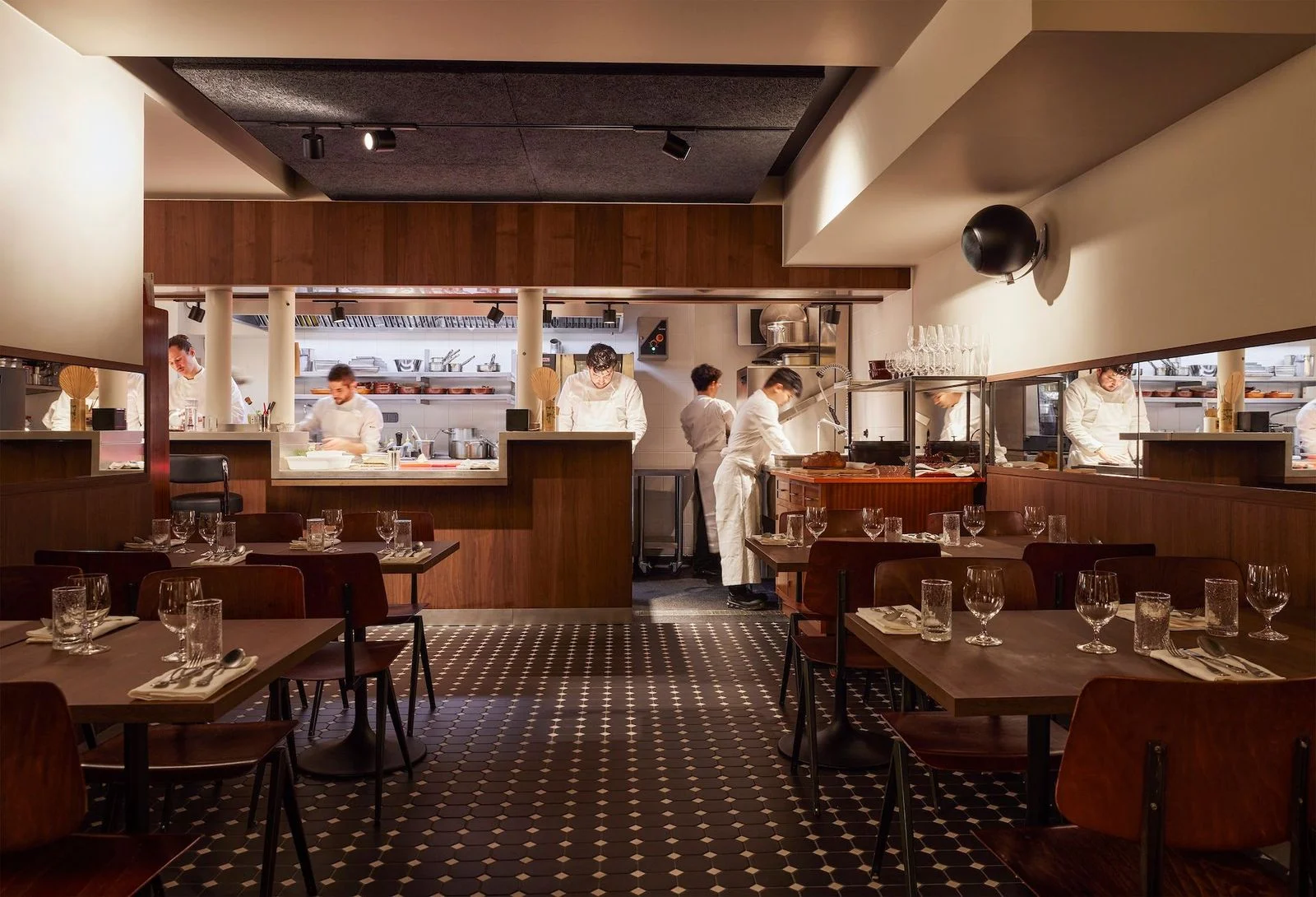
Pierre Touitou’s new restaurant marks a shift in register. His earlier 10th arrondissement spots, Vivant and Déviant, drew stylish crowds with strong cooking, good wine, and hip-hop; 19 Saint Roch is more polished, in the 1st arrondissement a short walk from the Tuileries. The setting is more formal, but the seasonal, technically assured food remains. That matters in a central neighborhood with few places that feel worth making a regular habit.
The compact menu moves from Touitou’s take on Cantonese turnip cake, lo bak go, to poached veal brain with tomato confit and Basque pilpil sauce, then steamed skate with Sichuan spices. Cheese and seasonal desserts round things out. At lunch, vintage-style floral porcelain and a measured pace made the meal feel considered without turning it into a performance. It’s now one of my regular recommendations for visitors looking to book in central Paris.
Bittikesu
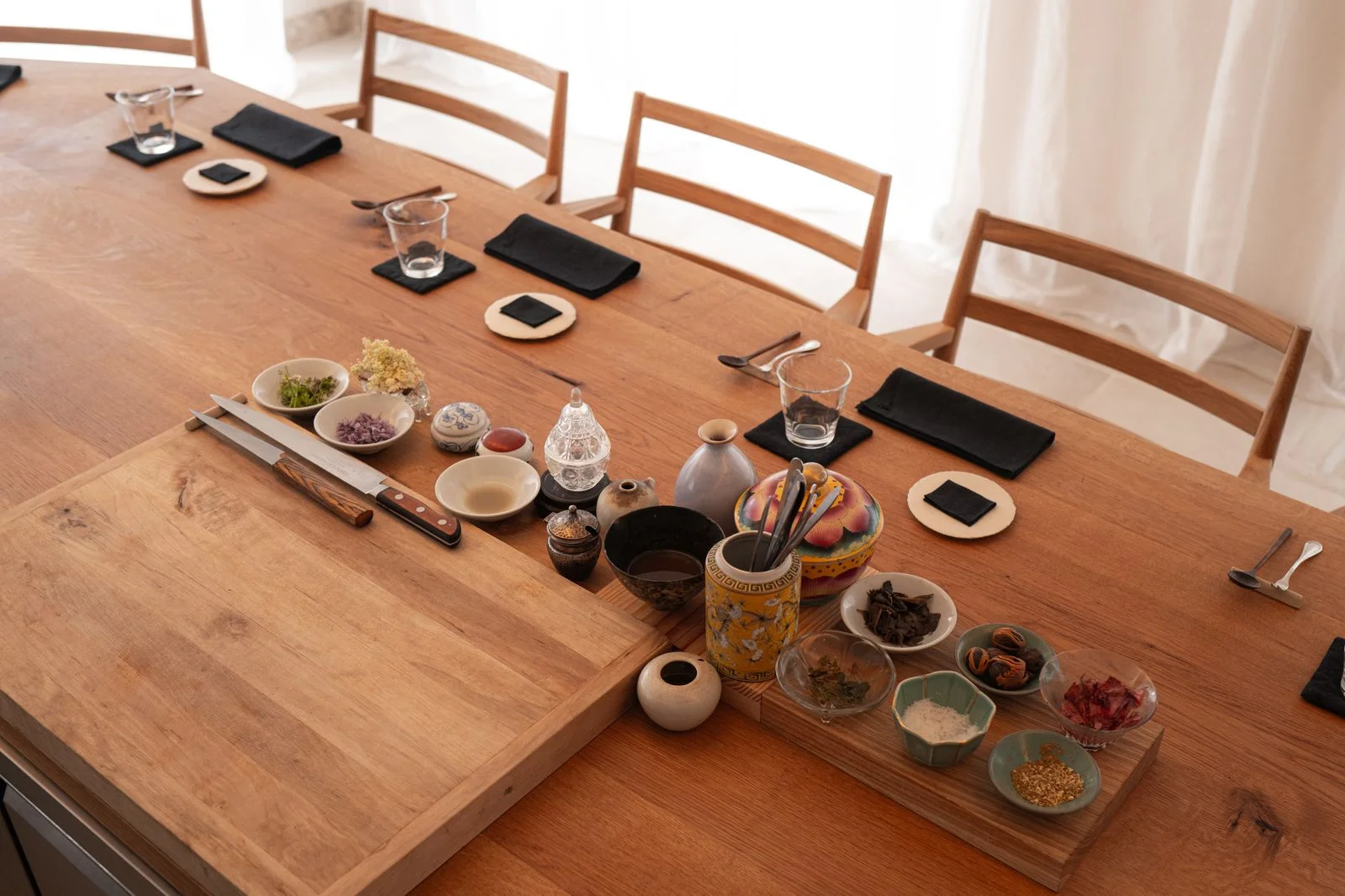
At Bittikesu, an early arrival turned into an introduction to Jules St. Cyr’s cooking and influences. The Montreal-born chef has worked in Copenhagen, including at Noma, and traveled widely in China; both strands show up in this small restaurant in a quiet corner of the 4th arrondissement. Nordic materials and Chinese details meet in a Burgundy oak counter for 14, stone kitchen surfaces, restored ceiling beams, paper-lantern-style lights, and a bouquet of bay leaves above the entrance bench.
The tasting menu unfolds as small courses on handmade ceramics: herbs from the restaurant’s garden in Montreuil, peas with silken tofu, and mackerel topped with chrysanthemum. The room has the ease of a dinner party hosted by someone with a sharp eye for design. Come alone and you may leave having spent the evening in conversation.
Paulownia
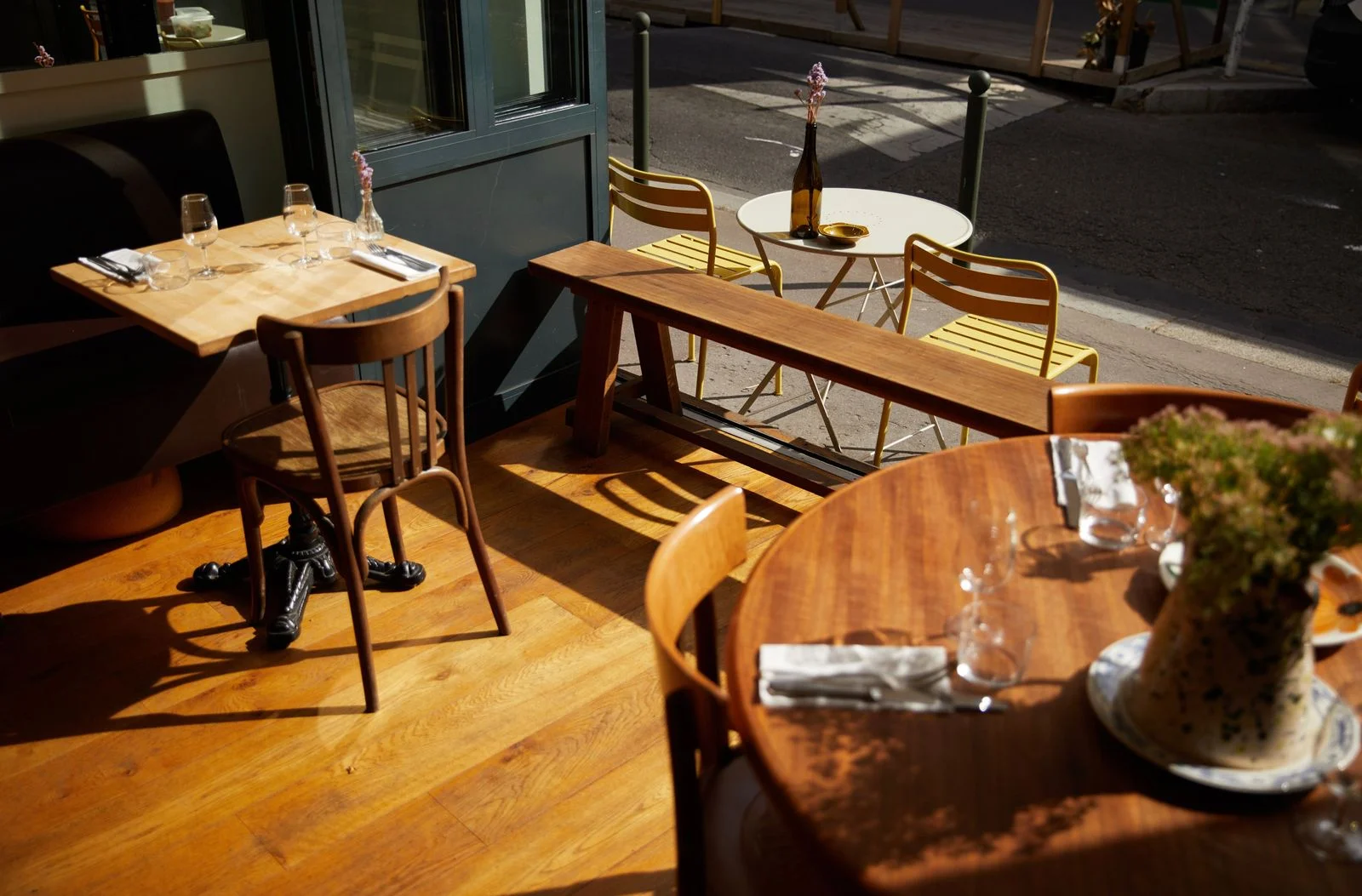
Paulownia is among Paris’s most talked-about restaurants. Opened in 2023 on a quiet street in the 20th arrondissement, it was founded by Tess Duteil and Geoffrey Belin, who met while working at L’Arpège. Duteil is the sommelier and Belin the chef; together, they bring the care and precision associated with a Michelin-starred kitchen to a neighborhood setting. The restaurant takes its name from a paulownia tree—also called a foxglove tree—that once stood nearby.
Paulownia
At Paulownia, the menu follows the deliveries: meat comes mostly from Normandy, while a trusted fishmonger in Le Guilvinec, Brittany, supplies the seafood. Sitting at the counter, I watched the four-person team move through the open kitchen with quiet, almost choreographed precision. The cooking was just as assured: lightly grilled turbot with Savagnin in the beurre blanc, then roasted Burgaud duck with soft, stewed prunes. A mille-feuille filled with almond-hazelnut cream finished the meal on a feather-light note. Tess, a former caviste, visits the winegrowers herself, and that care carries through to the list.
Waly Fay
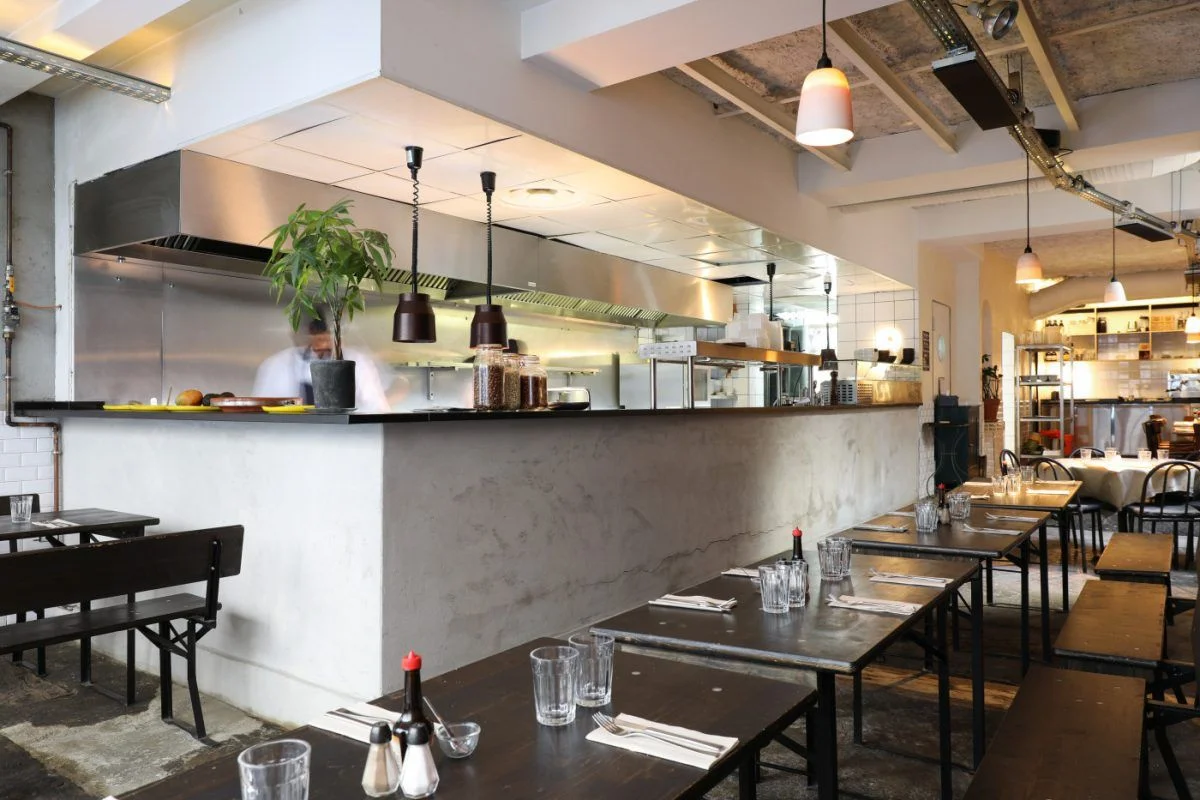
Waly Fay has been serving West African cooking in Paris’s 11th arrondissement since the early aughts. Its spacious dining room sets exposed brick and vintage Gispen chairs against industrial tables covered in wax paper; the open kitchen keeps the room’s energy in view.
The broad menu, developed by Cameroonian chef Jeannie Tientcheu and Senegalese chef Dalla Sankare, makes choosing a challenge. Start with golden cod fritters or Ivorian alloco, fried plantains that bring a welcome sweet-and-salty note. Mains include Nigerian jumbo shrimp in ginger-scented Creole sauce and Senegalese chicken yassa, stewed until tender with caramelized onions, lime, and green olives, then served with sticky broken rice. There’s attiéké, a cassava couscous, and chikwangue, cassava cakes steamed in banana leaves, if you still have room.
The appeal is comfort backed by careful execution. My maffé had a measured warmth and the rich texture of organic peanut butter; steamed carrot ribbons and fresh parsley gave it lift. That attention to small details is what makes the meal linger in memory.
Hakuba
Cheval Blanc Paris has delivered exceptional meals consistently, even by the standards of a “Palace” hotel, France’s top luxury designation. Hakuba stands out in the city’s expanding Japanese dining scene. It brings together chef Takuya Watanabe, Arnaud Donckele—also the sauce specialist behind Plénitude—and pastry chef Maxime Frédéric.
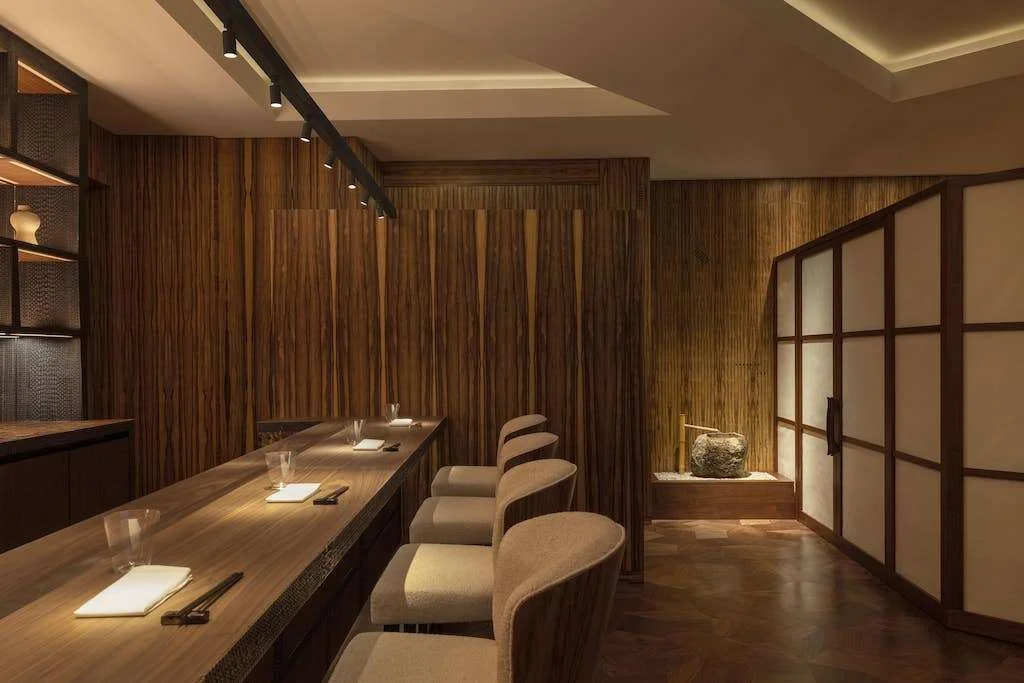
The ground-floor room is designed for calm: a stone tsukubai and bamboo fountain trickle by the entrance, and black walnut walls suggest a forest. Kyoto glassware and ceramics from southern Japan frame an omakase built around French ingredients and seafood from the Atlantic coast. It’s an extravagant proposition. The Yume menu costs €420; sea urchin temaki adds €30, and fresh truffle is another €95. The prices are plain enough. Whether the experience justifies every supplement is a matter of appetite as much as budget.
Maison Sota
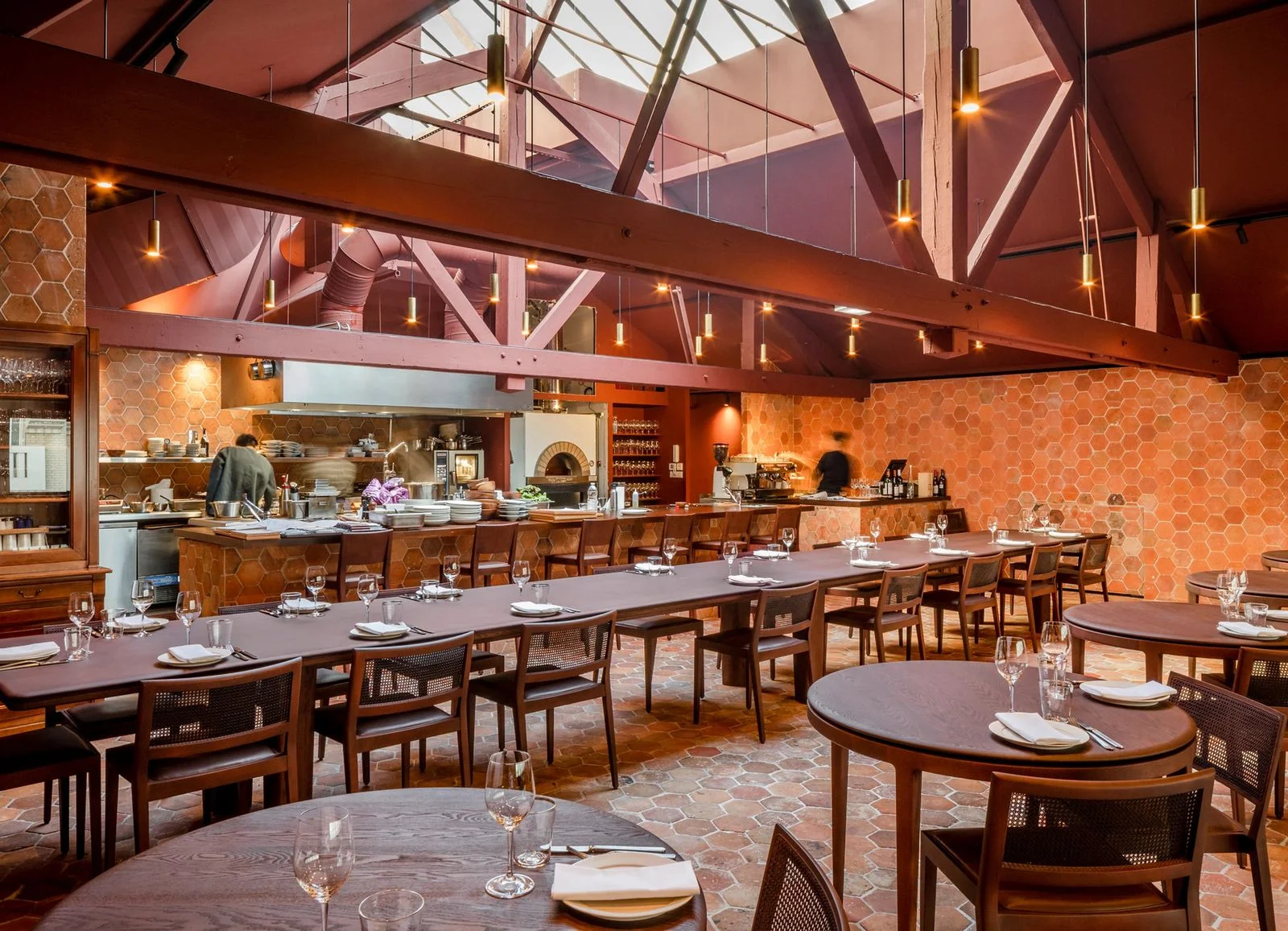
Maison Sota is a favorite among Paris chefs, and its tucked-away setting helps explain why it feels distinct. Down a narrow alley in the 11th arrondissement, the airy house has exposed beams, peach-toned terracotta tiles, and an open kitchen centered on a wood-fired oven. A 26-foot wooden table anchors the room; counter seats put you close to chef Sota Atsumi at work.
Lunch runs to five courses and dinner to seven, with French technique meeting Japanese touches. Wood-fired peas with brown shrimp, pea jus, kombu butter, and egg yolk show how much can come from a few well-judged ingredients. Dessert takes a more playful turn: a golden blown-sugar shell with lychee foam, green kiwi, pomelo, candied kumquat, and bergamot oil. Across these restaurants, the strongest meals make their identities clear through the cooking itself, whether the draw is regional sourcing, West African comfort, Japanese precision, or fire-led French craft.