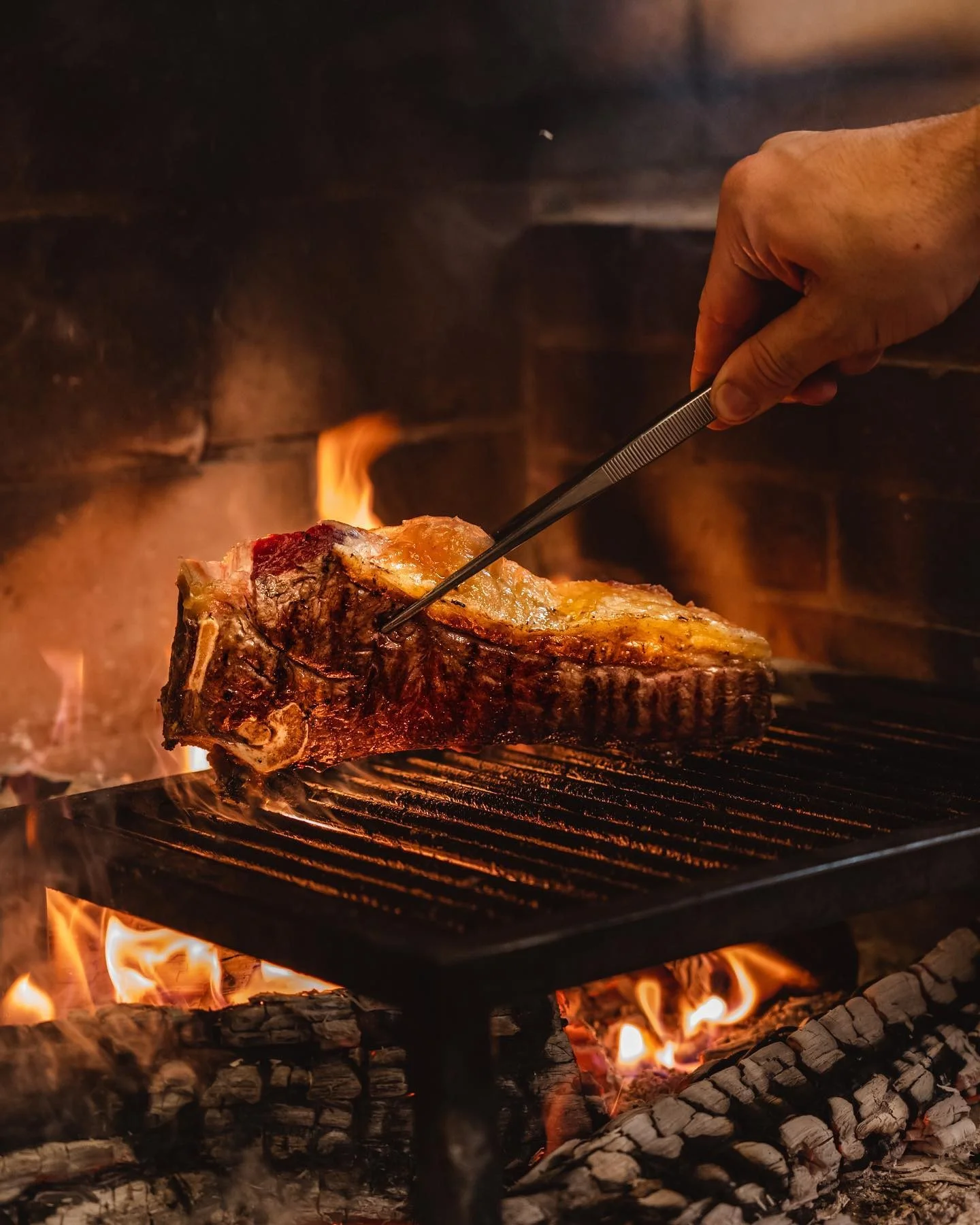
Where to start in Barcelona
Barcelona rewards diners who look beyond the crowded strips, where a restaurant’s location can do more work than its cooking. The city has plenty of memorable food at modest prices, alongside tasting menus and high-profile restaurants: Disfrutar took the No. 1 position on the World’s 50 Best Restaurants list last year. That range is useful, but it can also make choosing a meal harder. A city with celebrated dining at both ends of the price scale calls for more than a quick scan of the busiest streets.
A restaurant that sends staff to pull passersby inside on La Rambla or in La Barceloneta is a poor bet for a meal. That’s a practical warning, not a claim that every restaurant in a popular area disappoints. In busy tourist districts, high foot traffic can make it easier for a restaurant to rely on visibility than on a distinctive menu or a strong local following. If you’re deciding where to eat, treat an invitation from the doorway as a reason to look more closely, not as evidence that the restaurant’s worth your time.
Barcelona’s appeal isn’t limited to famous rooms or elaborate menus. The more useful question is what kind of meal you want, and how much of the city’s food culture you’re hoping to encounter. A simple dinner can tell you as much about local habits as a special-occasion tasting menu, especially when the restaurant’s cooking reflects ingredients, traditions, or communities that aren’t immediately obvious from the street.
Beyond tapas and paella
Tapas and paella make familiar starting points, though neither is wholly Catalan. Their visibility can make them seem like the natural measure of Barcelona dining, but a visitor who sticks to those defaults risks missing the region’s own specialties. Look for bittersweet vermouth, seafood shaped by the season, and home-style Catalan cooking. These dishes and drinks offer a closer view of how local tastes meet the ingredients available at a particular time.
Seasonality matters especially with seafood. A menu that changes with what’s available can give diners a more direct connection to the coast and the rhythms of the kitchen; a fixed expectation that every restaurant should serve the same signature plate can obscure that. Home-style cooking makes a different point. It can show how a cuisine is sustained in everyday meals, rather than presented only as a polished experience for visitors.
The city’s dining range also reaches well beyond traditional fare. Calabrese paninis, Northeast Asian plates paired with natural wine, oversized fried chicken sandwiches, South Indian fish stews, and yakitori made with cuts from across the animal all have a place here. That variety doesn’t erase Catalan cooking. It shows that a city’s food culture can include both rooted local traditions and restaurants shaped by people and cuisines from elsewhere.
For diners, that means there’s no single correct itinerary. You might choose a seafood meal one day and a panini or a bowl of fish stew the next. The interesting part is the breadth. It gives Barcelona more range than a short list of regional dishes can convey, while also making a little planning worthwhile if you want to avoid defaulting to the most visible options.
Three new additions
The guide is revised every quarter to keep pace with Barcelona’s changing restaurant scene. Its entries include advice from local writers and editors, plus a price scale from $ for inexpensive meals, with most dishes below $10 or the euro equivalent, to $$$$ for restaurants where entrées cost more than $30. That format helps readers compare the broad cost of a meal before they arrive, though it can’t tell you everything: menus change, appetites differ, and a price category won’t capture the character of a dining room.
Regular revisions matter in a city where restaurants open, change direction, and build reputations over time. A guide updated every quarter can respond to those shifts more quickly than a static list, while advice from local writers and editors adds judgment that a price marker alone can’t provide. Even so, a guide is best treated as a starting point. Your preferences, schedule, and budget still shape whether a recommendation fits.
Added in October 2026: Lluritu, a Mediterranean marisquería with three locations; Franca, which explores Catalan culinary history inside a former water bottling plant; and Manda Huevos, known for modern Catalan cooking. The three entries suggest different ways to approach the city’s food: seafood across multiple locations, a restaurant that engages directly with culinary history, and a contemporary take on Catalan cooking.
Those distinctions are more useful than a simple ranking. A marisquería may suit someone looking for seafood, while Franca’s setting and focus may appeal to diners interested in how a cuisine is interpreted and presented. Manda Huevos, meanwhile, signals that modern cooking can remain connected to Catalan traditions. The names alone don’t establish which restaurant is right for you, but they give you a clearer basis for choosing than a generic promise of an unforgettable meal.
What the guide’s range says about dining here
Barcelona’s combination of affordable meals, ambitious restaurants, traditional cooking, and international influences makes it possible to build a varied dining trip without treating every meal as a major event. That’s more significant than it looks. When a city has celebrated restaurants and everyday options side by side, diners can decide where to spend more and where a modest meal may be just as rewarding.
And yet, variety can turn into a blur if every restaurant is described as essential. The better approach is to choose for a reason: a seasonal seafood menu, a particular regional style, a dish you don’t often encounter, or a setting that adds context to the meal. (And this is the part most people overlook.) The most memorable choice may be the one that fits the moment, rather than the one with the grandest reputation.
For anyone working through a short visit, a quarterly guide with local recommendations and clear price bands can narrow the field. Use it to find places that match your interests, then leave room for a meal that isn’t built around a checklist. Barcelona’s dining scene rewards curiosity. Sometimes, that’s enough.
Sam Zucker is a Barcelona-based freelance writer, photographer, filmmaker, travel Instagrammer, and gastronomic tour guide. His work has appeared in Monocle, National Geographic’s “48 Hours” guides, Culture Trip, and Vice Travel, among other publications.