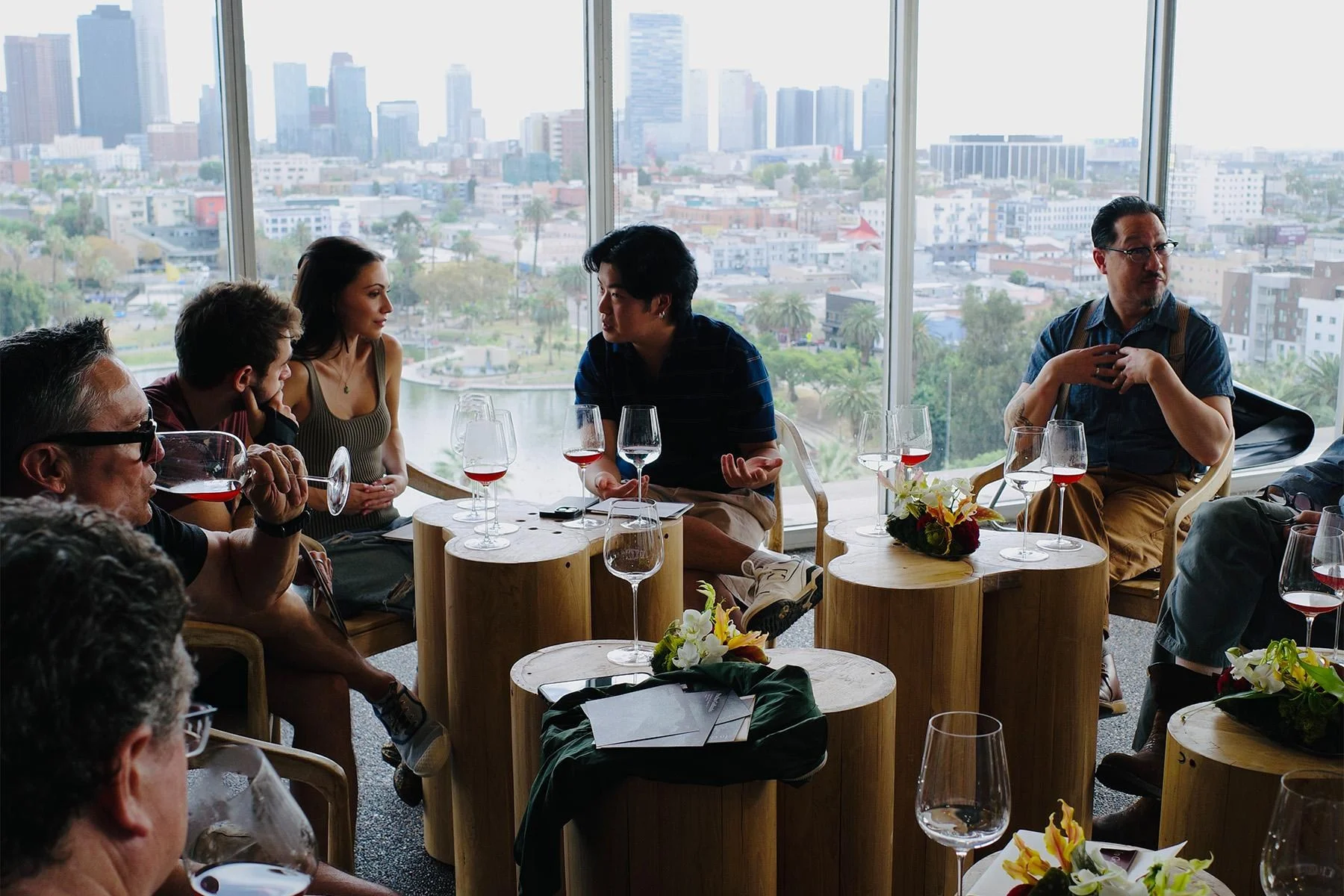
A $200 coffee in Bushwick makes specialty coffee’s next question hard to avoid: how much of its rising value comes from exceptional craft, and how much from the luxury experience built around it?
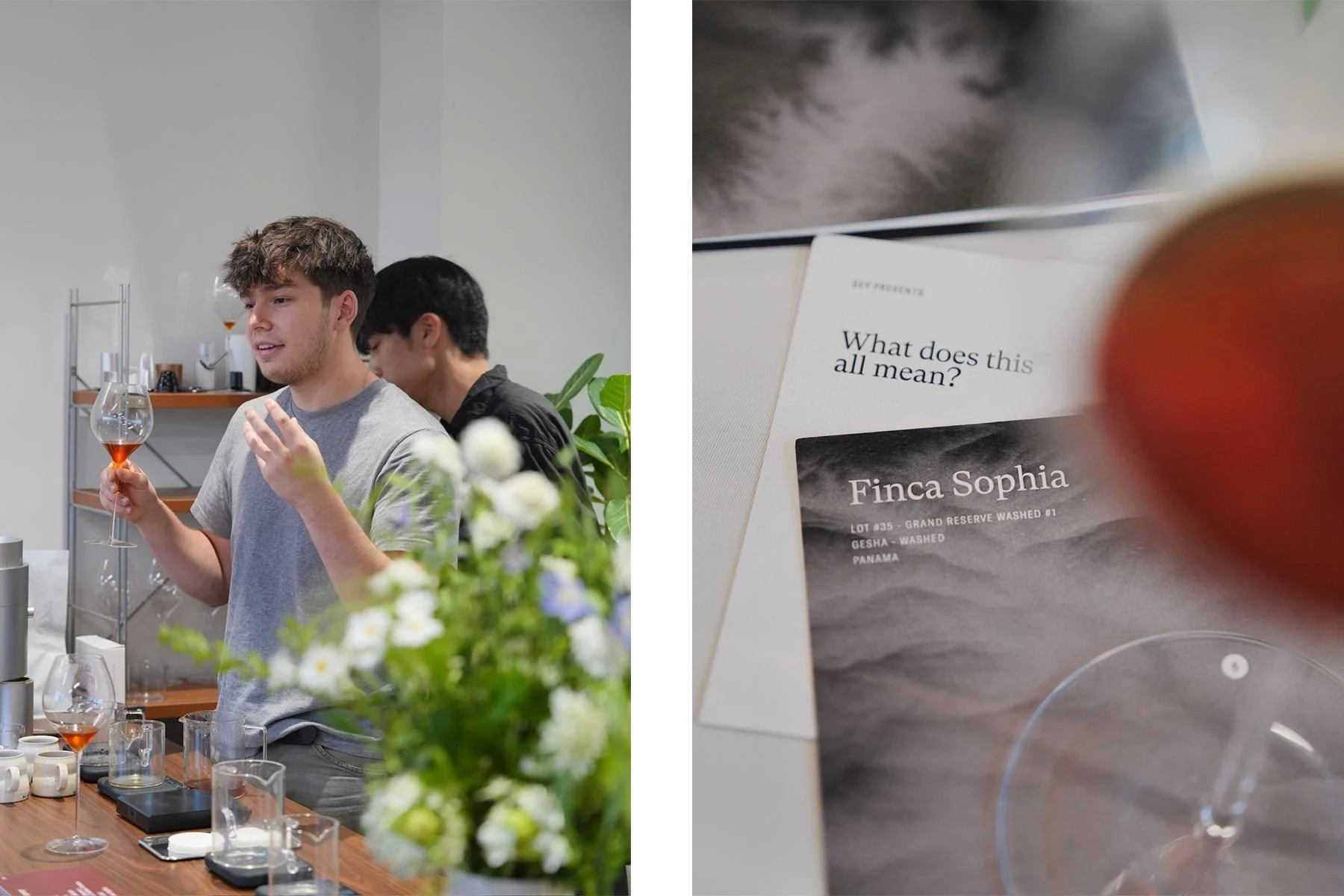
Sey Coffee bought a rare Panamanian geisha at auction for $44,275. The beans, from Finca Sophia in Panama’s Chiriquí highlands, cost $6,325 per kilogram and work out to roughly $200 per cup. Sey plans to serve the coffee for a limited run, bringing an auction-level lot into a neighborhood café.
Doug Cohen, Sey’s director of brand strategy, describes the coffee as aromatic, floral and juicy. He recommends drinking it black, with a clean palate, and giving it time to cool. “As the coffee cools, different aspects of its character become apparent, and that evolution is part of the experience,” he says.
A purchase rooted in a supplier relationship
The price is extraordinary even by the standards of high-end coffee. Cohen says the purchase grew from Sey’s established relationship with Finca Sophia, which has supplied the roaster for several years. When the farm’s general manager reported that its yields were down about 95 percent, the conversation shifted to what it meant to support a partner through a difficult season.
Sey decided to buy the geisha lot both to support the producer and to create what Cohen calls “elevated coffee experiences.” The rationale adds a practical dimension to a purchase that could otherwise read as a stunt: a rare crop, a steep drop in output and a buyer willing to pay a premium for the limited harvest.
From coffee break to tasting menu
Sey’s experiment lands amid a broader shift in how specialty coffee is presented. Shops are borrowing from fine dining and wine culture, asking customers to linger over aroma, flavor and preparation instead of treating coffee as a quick dose of caffeine. New York’s Driftaway Coffee offers an omakase-style menu, while San Francisco’s Komakase operates a dedicated coffee tasting room.
Watch House, the London specialty roaster expanding in the United States, has also drawn attention for a $32 cup at its New York locations. The chain opened its fourth city location this summer and has reportedly been scouting in Austin, Chicago and Miami. Those formats suggest that some customers are willing to pay for coffee as an occasion, though the $200 cup sits far beyond even these premium offers.
Cohen argues that coffee’s status as a commodity has kept its perceived value low. He says consumers became more curious before and after the pandemic, learning about quality through YouTube, Discord and online forums. That interest has helped make room for coffees that are sold not just on origin or brewing method, but on scarcity and sensory distinction.
Sey’s premium pitch has a local history
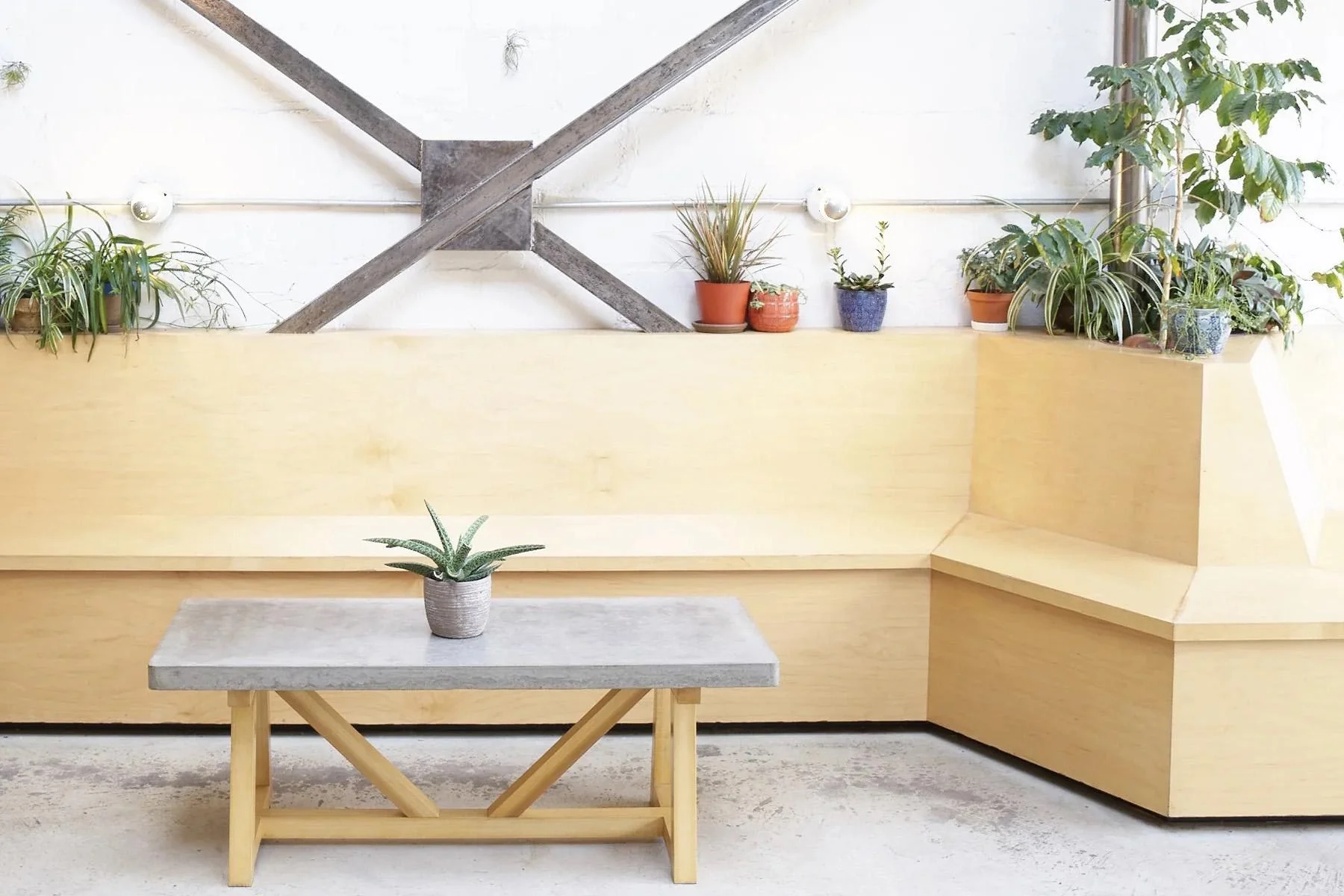
Sey grew out of Brooklyn’s 2010s artisanal coffee boom. First known as Lofted Coffee, it began in its founders’ Bushwick loft before taking the Sey name in 2017 and moving to its current Grattan Street location. The spare, industrial café has since become a destination for coffee fans and a recognizable part of Bushwick’s changing food scene.
The company frames its premium approach around ethics and sustainability, and its staffing model is part of that pitch. Sey doesn’t accept tips; it says full-time baristas can earn up to $31 an hour, receive benefits and share in café revenue. Food & Wine named it the best coffee shop in New York, while its pay policy has also drawn favorable coverage.
That context matters in Bushwick, where a high-priced tasting experience exists alongside family-owned taquerias, neighborhood bars and a mix of longtime residents and newer arrivals. The $200 pour may reflect genuine interest in rare coffee, but it also raises a familiar question about who gets to take part as local businesses move upmarket.
What should exceptional coffee cost?
Cohen says Sey isn’t raising prices simply to charge more. “It is about challenging how we assign value to coffee in the first place. What is an extraordinary coffee actually worth?” he says. He points to expensive wines as a comparison: if some bottles can sell for thousands of dollars, why should coffee be excluded from that conversation?
The comparison makes sense as a case for treating coffee as a crafted product, but it doesn’t settle the question of access. A tasting room or rare lot can encourage more attention to growers and quality; a $200 serving also marks a sharp boundary around who can participate. Specialty coffee’s challenge is to make the experience feel worth paying for while keeping its growing definition of value connected to the people who grow and serve it.
Sey’s geisha will test that balance one cup at a time. The price is an outlier, but the wider move toward coffee as a destination experience is already visible in tasting menus, dedicated rooms and premium café chains. The lasting measure may be whether that attention broadens appreciation for coffee’s craft—or makes exclusivity the main attraction.