This excerpt was originally published in Pre Shift, our newsletter for the hospitality industry. Subscribe for more first-person accounts, advice, and interviews.
For some restaurants, saying no to a custom order is becoming part of protecting the food, the kitchen, and the people working in it. At Chicago’s Taan, owner Chanita Chayaluk drew that line after requests began slowing service and stretching a small team. One guest’s request for green curry mussels “but without the mussels” made the problem plain: accommodating every preference was pulling the restaurant away from the way it wanted to cook.
Customization meets kitchen capacity
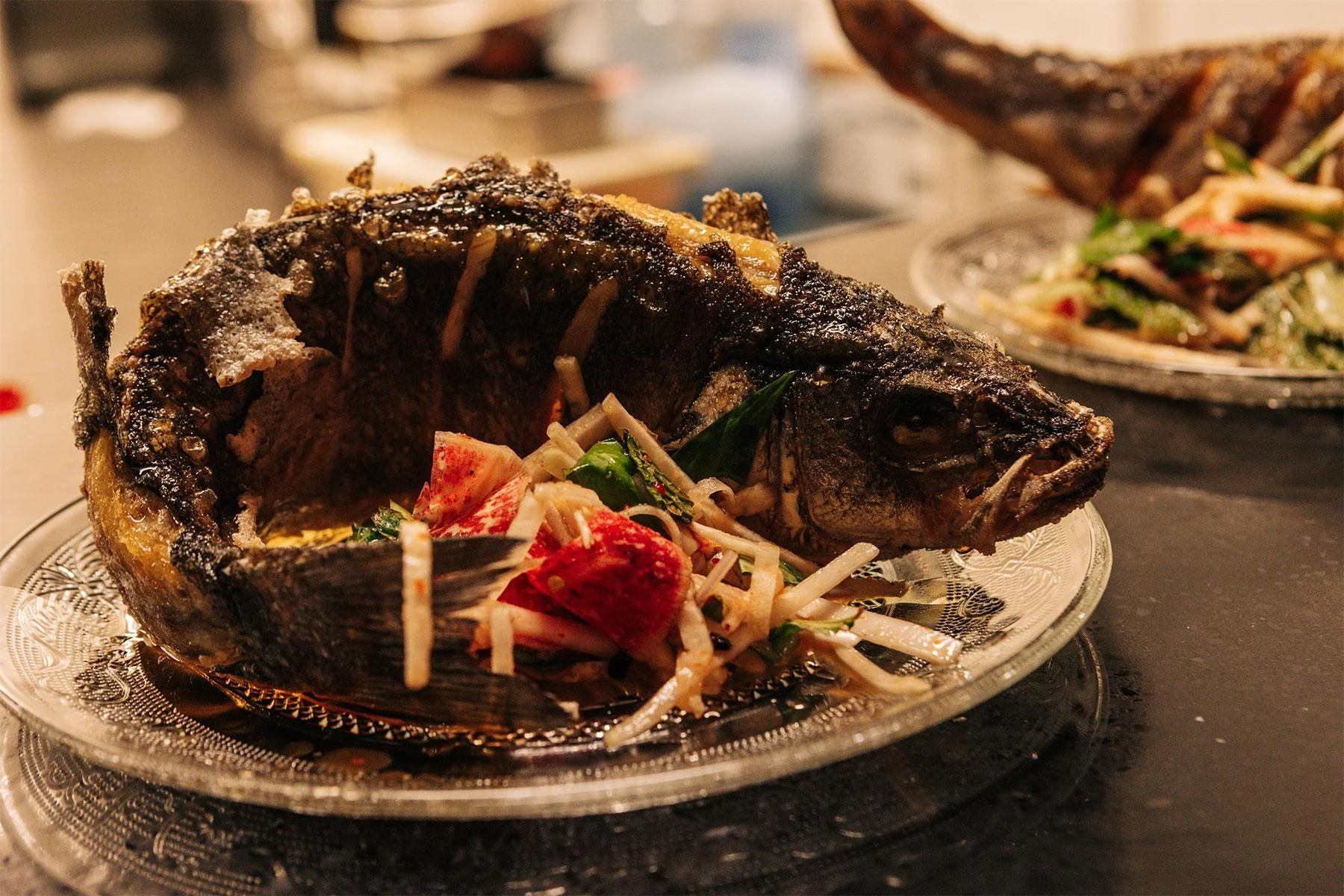
Taan opened in September with a menu intended to show Chicago diners a different side of Thai food. Chayaluk points to the city’s first wave of Thai immigration in the 1970s and says much of the local food still reflects that era. Her menu includes miang, made with fermented tea leaves, and whole deep-fried fish finished with fish-sauce caramel.
The early stream of requests—for substitutions as well as dietary accommodations—made service harder to manage. “It would slow down service and speed, and that was not just affecting us, but the guest experience in many ways,” Chayaluk says. With limited staff and kitchen space, trying to satisfy every request made the operation feel, in her words, “like we were Chipotle.”
The issue is surfacing across the industry. A decade ago, asking for menu changes was often treated as poor manners. Now, operators say customization is back, shaped in part by lunch spots built around mix-and-match bowls, the customer-first ethos associated with Unreasonable Hospitality, and food influencers who can turn a declined request into a public complaint. Restaurants under pressure to stay afloat may respond by granting more changes or reshaping menus, including by reducing spice levels.
Taan’s response is a limited substitution policy. Chayaluk has said ingredients such as fish sauce and shrimp paste are “the fabric that defines our cuisine,” so the restaurant won’t remove them from dishes that depend on them.
Recognition can bring mismatched expectations
At Lom Wong in Phoenix, Arizona, requests to modify dishes increased after the restaurant received more national attention. Chef Yotaka “Sunny” Martin was recognized by the James Beard Awards last year, and Lom Wong received a Michelin Bib Gourmand in August. Co-owner and chef Alex Martin says some guests began expecting a more formal, European-style service experience and asking for dishes to be changed.
“There’s a European distinction of what an award-winning restaurant looks like, so people equated that recognition with a white-tablecloth restaurant,” Martin says. “We were just like, ‘Well, that’s not who we’ve ever been, and it’s never what our restaurant will ever be.’”
Lom Wong used social media to explain its approach: it won’t change a dish just to make it more familiar, and some ingredients may challenge Western diners’ expectations. Beef may include gristle; fish are served whole. Those choices are deliberate, Martin says, and chef Sunny helps the team judge whether a requested change would compromise a dish’s integrity.
There are limits within those boundaries. Lom Wong can serve the shrimp on the side with its mango salad, but won’t remove beef or shrimp paste from dishes that require them. New York’s Ha’s Snack Bar takes a similarly explicit stance, stating in its Instagram bio that everything contains fish sauce.
Boundaries work best with a real alternative
Taan makes room for guests with dietary restrictions by keeping a vegan, gluten-free option on the menu; its current offering is fried rice. Chayaluk calls it a “catchall,” but says it needs to be a substantial, satisfying dish rather than an afterthought.
Both Taan and Lom Wong ask staff to uphold the policies. Chayaluk and Martin say the rules help preserve food quality and give employees clearer expectations during service. Some guests have pushed back, but setting expectations before a visit and at the table has generally been received well.
Martin’s preferred explanation is direct and courteous: the restaurant respects a guest’s preferences, but those preferences don’t require the kitchen to remake a dish. Staff can instead guide diners toward something already on the menu that suits them. That approach gives restaurants a workable line: offer a thoughtful option where possible, while keeping the dishes and service model intact.