A Culinary Renaissance for Ranch Dressing
Ranch dressing, once relegated to the sidelines as just another condiment, is experiencing a culinary renaissance in the hands of creative chefs. No longer is it confined to salads; innovative uses and variations are redefining its place on the menu. This transformation highlights not just a trend but a significant shift in how we perceive flavor and comfort food, opening up discussions about nostalgia and culinary innovation.
Innovative Approaches to Ranch
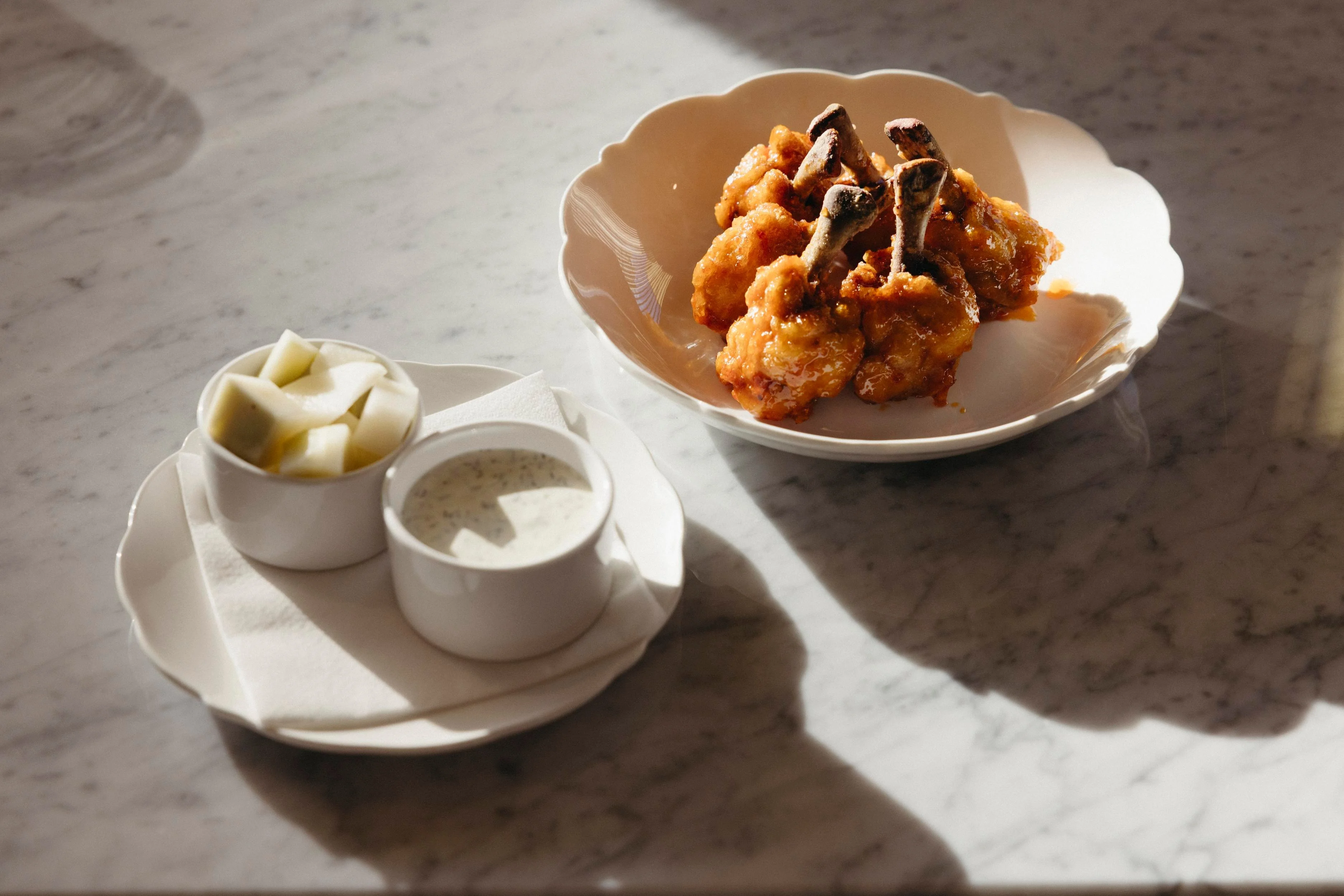
Take the example of chef McKenna Lelah from the Korean-Italian restaurant Lapaba in Los Angeles. Her yuzu kosho ranch, served with lollipop-style fried chicken wings, demonstrates ranch's potential to transcend traditional applications. “I see it as a main,” Lelah asserts, revealing a mindset that advocates for ranch as more than just a dip. By blending crème fraîche with yuzu and classic ranch components, this dish has not only garnered a loyal following but shows how even familiar flavors can be reimagined to fit modern dining experiences.
This approach opens up interesting conversations: if ranch can morph into a key component of a signature dish, where does that leave traditional perceptions of the condiment? Chefs like Lelah aren't just swapping flavors; they're challenging the notion of what makes a dish worthy of a restaurant menu. This experimentation reflects a broader culinary movement steering away from strict definitions of food categories.
The U.S. Embrace of Ranch Dressing
Across the U.S., chefs are embracing ranch dressing, infusing it with unique cultural influences to create standout menu items. At Bistro Amasa in Santa Barbara, chef Julian Martinez has turned ranch into a feature, crafting a Cool Ranch Dorito-inspired crudo that combines hamachi with a buttermilk-lime base. This playful approach to ranch is mirrored in the Bay Area, where establishments like Popi’s Oysterette offer gourmet variations including "fancy ranch" with fresh herbs and spices, while Prubechu, a Chamorro restaurant, presents a wasabi ranch that signals the dressing's versatility. The creativity here isn't just about highlighting ranch but redefining its role on the plate, encouraging diners to think beyond the conventional.
The Untold History of Ranch Dressing
Historically, ranch dressing emerged in 1954 when Steve Henson concocted the formula of buttermilk, mayo, and herbs to spice up his laborers' meals. Its evolution from a DIY party dip to a beloved condiment at Henson's Hidden Valley Ranch underscores how food nostalgia can drive consumer behaviors. Today, ranch isn't merely a flavor; it's a cultural artifact that embodies casual dining in America, a narrative filled with both charm and simplicity.
This transition to mainstream popularity was gradual yet marked. Despite facing stiff competition from other dressings in the '90s, ranch has shown unwavering resilience. Factors such as the pandemic played a significant role in this resurgence, with a spike in condiment consumption. Research firm Mintel observed a post-lockdown shift toward familiar, comforting tastes. Ultimately, ranch became synonymous with comfort food, especially alongside fried chicken and other indulgent fare. It reclaimed its place at the dining table with renewed vigor.
Ranch in the Age of Social Media
The 2026 FIFA World Cup also reignited interest in ranch dressing as American food culture captured public attention through social media. Viral videos, particularly those showcasing the obsession with ranch during the event, led to unique products like TSA-compliant ranch packets from Kraft and playful offerings such as Buffalo Wild Wings’ Poppin’ Ranch candy. This surge in visibility demonstrates how ranch dressing's cultural significance has evolved—not merely a condiment, but a conversation starter across social media platforms and dinner tables alike.
What does this mean for the future? The intermingling of food and social media will likely propel ranch to further prominence, possibly giving rise to entirely new products and flavor combinations. Although some may doubt ranch’s sophistication, its resilience is what keeps it in the spotlight, ensuring it's a topic of conversation among both food lovers and casual diners.
The Love-Hate Relationship with Ranch
However, ranch dressing still plays the role of a culinary punching bag for some. It faces mixed reviews, with critics often questioning its flavor profile and its place within haute cuisine. Platforms like Reddit regularly feature discussions highlighting ranch's ability to enhance otherwise bland dishes, exposing a complex relationship among its consumers. “If I weren’t broke…” one user humorously notes, suggesting that ranch’s affordability may contribute to its popularity among a broad demographic.
Nostalgia and Culinary Identity
Lelah addresses this duality by reflecting on her upbringing, where ranch was a staple at every meal. “Nostalgia is important,” she says, underscoring the notion that ranch’s comfort lies in its familiarity. For many, it transforms their dining experience, removing pretensions and simplifying enjoyment. And yet, in a culture that sometimes shames simplicity, embracing a love for ranch can feel fraught. (and this is the part most people overlook)
The irony lies in ranch’s overwhelming popularity amidst persistent stigma. As Lelah suggests, for a dish to endure on a menu, it must resonate with diners. Perhaps ranch’s inherent simplicity and its deep-seated nostalgia are what make it a pivotal part of the culinary conversation, inviting both admiration and critique. If you're working in this space, understanding this duality may enhance how you approach culinary trends now and in the future.
Future Outlook: What Lies Ahead for Ranch Dressing?
The trajectory of ranch dressing indicates a significant potential for future culinary innovation. As chefs continue to experiment, the possibilities seem endless. Could ranch even find its way into desserts or upscale applications? The fusion of this classic dressing with global flavors could redefine its boundaries further. As chefs push these culinary envelopes, expect ranch to evolve from a simple dip to a multi-faceted component that can elevate dishes across various cuisines.