A Window into the Life of Anthony Bourdain
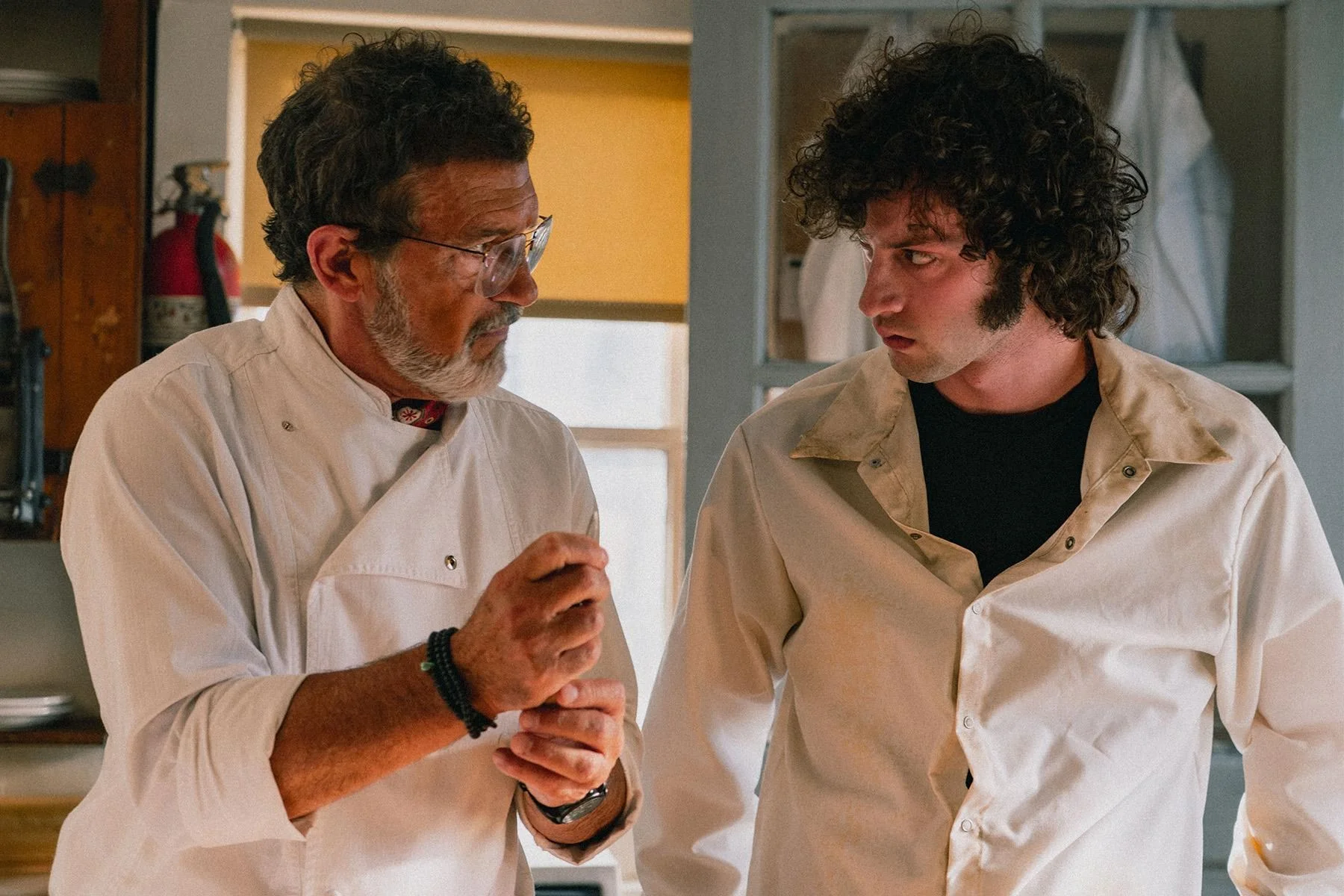
Filmmakers Todd Bartels and Lou Howe have taken a distinctive approach in their biopic Tony, focusing not on Anthony Bourdain’s entire life but rather on a pivotal summer in 1975, when the culinary icon began his career in Provincetown, Massachusetts. This film aims to present a microcosm of Bourdain’s journey, exploring the formative experiences that shaped his identity.
Crafting the Narrative
Bartels emphasizes their avoidance of a traditional cradle-to-grave narrative. Instead, they focus on “knowing who you want to be but not quite knowing how to get there.” This summarizes not just Bourdain’s career but also the essence of the film itself, as noted by Bettina Makalintal from Eater: “It happens to be a movie about someone we all loved.”
Connecting with Bourdain’s Legacy
Getting approval from Bourdain’s estate was a significant hurdle. Bartels and Howe leveraged their collaboration with Kimberly Witherspoon, Bourdain’s literary agent, to ensure authenticity within the film, fostering trust along the way. The duo described their pitch as a “love letter” to Bourdain's early years, contrasting it with other pitches that focused primarily on his later life and tragic demise. The estate responded positively to the unique perspective but challenged the creators to deliver on their vision.
Bourdain's Complexity
Understanding Bourdain’s character went beyond surface-level storytelling. The filmmakers reference a biography by Laurie Woolever, which provided valuable insights into Bourdain’s transformation from a troubled young man into a revered figure. The narrative, guided by emotion as much as fact, seeks to depict the raw edges of Bourdain’s personality, which is a vital part of his enduring allure.
Gaining the Estate’s Trust
Witherspoon’s influence proved critical in shaping the representation of Bourdain. Bartels mentions how she encouraged them to embrace the darker aspects of his life rather than sanitize them. This authenticity includes showcasing the dichotomy of good and bad influences that impacted Bourdain, represented by characters played by Leo Woodall and Antonio Banderas.
Casting Choices
When discussing casting, Howe mentions Dominic Sessa was always the front-runner for the role of a young Bourdain. Speculation about who could portray an older version of Bourdain was openly entertained, with names like Bobby Cannavale and Eric Bogosian emerging as potential candidates due to their unique vocal qualities and presence.
Food as a Central Theme
Love for food permeates the film, not just as a backdrop but as a character in its own right. Culinary consultant Christine Tobin ensured authenticity in the kitchen scenes, often preparing meals on set. Banderas, portraying a chef, would often create paella during filming, adding to the film's genuine culinary atmosphere. Notably, Sessa was said to have consumed numerous lobster rolls while preparing for his role, emphasizing the film's deep connection to gastronomy.
Significant Moments and Missed Opportunities
While the filmmakers are proud of how the final cut turned out, some scenes, like capturing Bourdain’s favorite hot dog stand or deeper explorations of Provincetown's cultural backdrop, didn’t make the final film. Yet, a haunting melancholy is woven into the film's fabric, reflecting the Portuguese cultural influences that shaped the region.
Personal Connections on Set
Bourdain’s favorite bar in Provincetown was a source of inspiration for the filmmakers, where they spent hours soaking in the ambiance critical to understanding his character. Their research efforts extended well beyond the script, creating an authentic portrayal of Bourdain’s formative experiences.
Tony debuts in theaters August 21, 2026, promising a thoughtful exploration of a beloved figure who profoundly impacted the culinary world.