Princess Catherine has once again embraced a beloved summer pattern: gingham. This print, a staple in Princess Diana's wardrobe during the 1980s, continues to inspire contemporary fashion choices among the royal family. This connection not only reflects a personal style but also taps into the broader narrative of royal fashion evolving while paying homage to the past.
A Timeless Fashion Choice
Gingham isn't just a pattern; it's a symbol of classic summer fashion that evokes images of sunny picnics and carefree days. For Princess Catherine, this print is part of a deliberate strategy to create a modern yet accessible royal image. This is more significant than it looks. Using gingham in her outfits allows her to bridge the gap between royal formality and everyday wear—ideal for public engagements but still relatable to the average person. In recent years, the way royals dress has taken on increased scrutiny and interpretation, signaling that even a timeless pattern can be reinvented.
Before wowing fans with various bold outfits at this year’s Wimbledon tennis tournament, Princess Kate made a notable appearance at Prince William's annual charity polo match on July 10, 2026. Dressed in a black-and-white gingham dress designed by Temperley London, she effortlessly drew attention. This particular style is emblematic of her preference for chic silhouettes that adapt traditional patterns into fashion-forward statements. Paired with stylish Ralph Lauren sunglasses and Camilla Elphick slingbacks, she exemplified a sophisticated look. Notably, she also wore a handmade bracelet crafted by her daughter, Princess Charlotte, weaving family sentiment into her outfit.
Elevating the Print
Each summer, Kate's wardrobe often revisits gingham. While many associate it with nostalgic picnic scenes or school uniforms, she manages to elevate the print. For example, the elegant midi dress she wore at the polo match featured wide straps, a square neckline, and flowing tie-waist bands. Such details provide a fresh twist on a well-known pattern, positioning it within the framework of modern fashion while maintaining its classic charm. Accessories in neutral and earthy tones further ensured the aesthetic remained sophisticated—proof that tradition doesn't have to mean outdated.
The Diana Connection
Princess Diana also had a fondness for gingham, though her choices often leaned toward playful interpretations of the print. During the late ’80s and into the ’90s, she favored smaller checks and bolder colors. On a royal visit to Nigeria, for instance, she sported a gradient blue and cream gingham blouse paired with a cream-colored pencil skirt. The combination was intentional; it beautifully accentuated her striking blue eyes while also projecting a casual yet polished image. This attention to detail not only defined her style but cemented her legacy as an icon of women’s fashion.
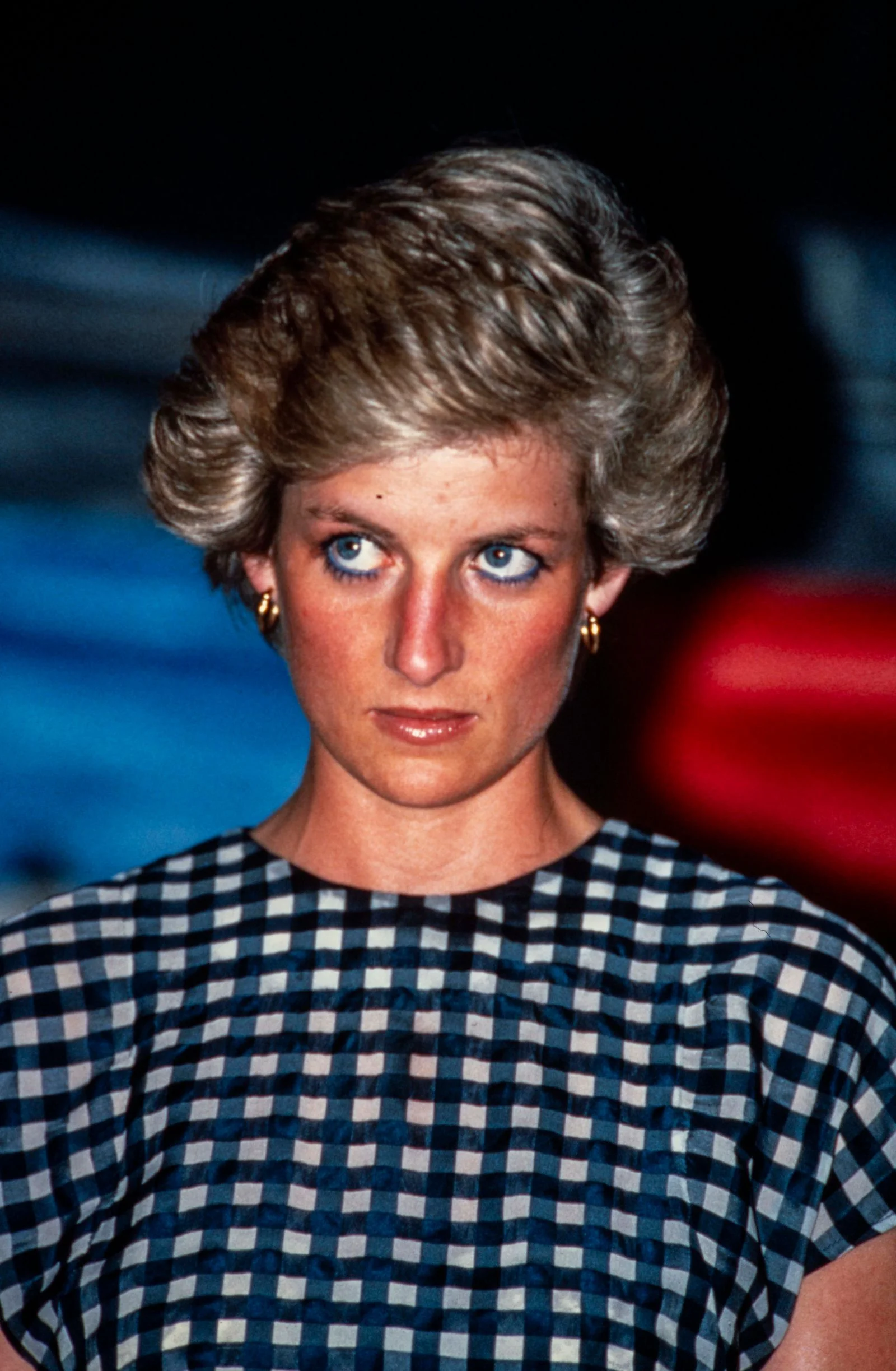
In her earlier years, gingham frequently played a delightful role in Diana's fashion repertoire. At a St. George's Chapel service on Easter Sunday in 1991, she donned a pastel pink and white check wool coatdress by Catherine Walker, complemented by a wide-brimmed hat adorned with white mesh trim. Meanwhile, a memorable image from 1986 depicts her in pink and white gingham pedal pushers, paired with a white blouse and hot pink cardigan. This combination epitomized her flair for blending fun with elegance. Her embrace of gingham is part of what made her a timeless fashion icon—one whose influence continues to echo through royal fashion today.
Resurgence of Gingham in 2026
As we look at summer 2026, gingham is experiencing a resurgence, prominently showcased on runways from labels like Loewe to Louis Vuitton, with designers such as Dôen and If Only If also joining the pattern party. This revival signals a renewed interest in classic styles reinterpreted for a modern audience. If you're working in this space, you can anticipate that this pattern will be more widely embraced across demographics and styles, given its versatility. Whether you want to channel Princess Diana with playful capris or opt for a sleek one-piece like Princess Catherine, there's ample room for creativity within this evergreen print.
Implications and Future Trends
The ongoing popularity of gingham in royal fashion highlights a significant shift in how timeless designs can redefine modern aesthetics. Each appearance not only connects to personal style but serves to inform public perception of royal fashion. This focus on relatability might indicate a broader trend where fashion reflects the dynamics of societal changes—moving away from the rigid norms of the past.
As designers continue to explore and reinterpret classic styles like gingham, it raises questions about how trends develop and how they can cycle back into prominence. While some may dismiss gingham as simple or mundane, its evolving presence in fashion shows proves there's more than meets the eye. And this is the part most people overlook: it's not just about wearing a pattern; it’s about the emotional resonance and lasting legacy it carries.
In a world increasingly captivated by nostalgia and retro elements, the gingham print may serve as a unifying thread, connecting generations of fashion. As we navigate these tidal shifts, we might consider what role personal style plays in a broader cultural conversation. Gingham is more than just fabric; it’s history, identity, and connection.