As children’s publishing navigates the shifting dynamics of early childhood education and entertainment, this fall promises a range of board books specifically designed to captivate the youngest readers. These new titles don’t merely aim to entertain; they also strive to integrate learning into play, infusing educational themes with interaction and imagination. Interest in children's literature has surged, and this new batch appears to be a response to that growing demand, balancing entertainment with developmental milestones.
Interactive Adventures
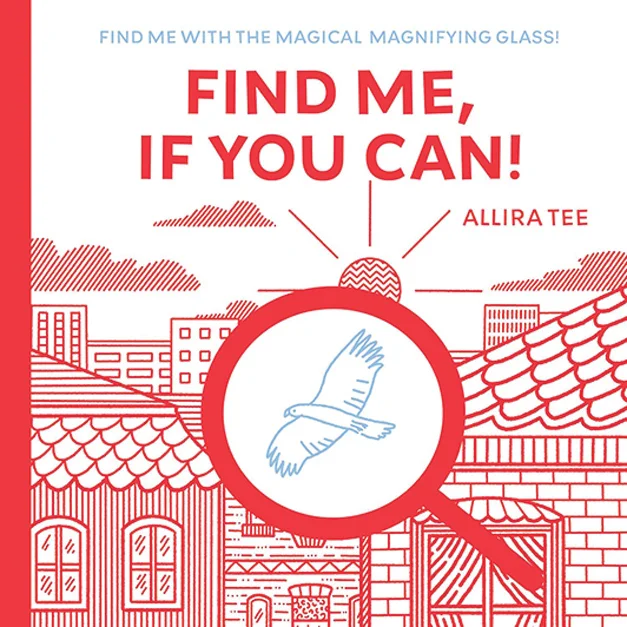
Find Me, If You Can!
This seek-and-find title features a punch-out looking glass that reveals hidden figures in vibrant landscape scenes, aimed at ages 2 and up. There’s a distinct advantage to engaging children through interactive formats. Research has shown that kids learn best when they can participate actively in their learning processes. By utilizing a looking glass to discover hidden elements in disparate scenes, Allira Tee merges imaginative play with cognitive skill development, allowing parents to expand on the experience by discussing what they see together.
Unique Themes and Concepts
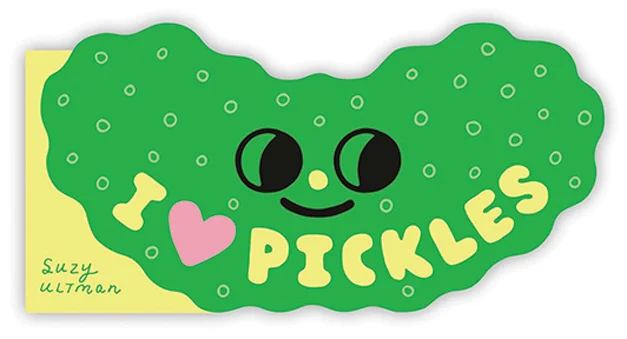
Heart Pickles
Ultman playfully introduces various types of pickles, including dills and cornichons, in a picture book that's both fun and educational for ages 2–4. The choice of pickles as a central theme isn't random—food is a relatable topic for children, and presenting an everyday item in a whimsical manner can spark curiosity and learning. Who knew pickles could be so engaging? This book subtly combines food literacy with the joys of reading, encouraging children to explore tastes and textures while improving their vocabulary in a playful context.
Humor and Playfulness
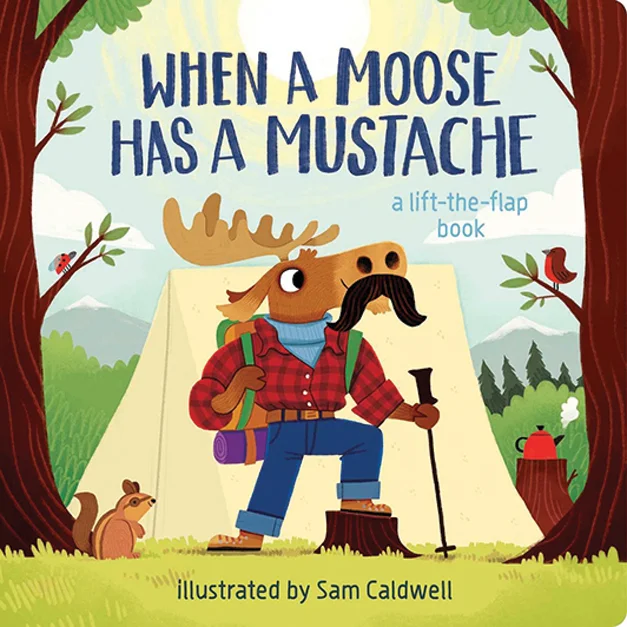
When a Moose Has a Mustache
This charming book features animals engaged in whimsical scenarios related to mustaches, perfect for humor-loving kids up to 4 years old. A good laugh is essential for tiny readers. Humor resonates deeply with them, often enhancing retention. By showcasing animals in comical contexts, Caldwell creates opportunities for comedic discussions between parent and child—this could be a springboard into conversations about animals, habitats, and imagination itself. After all, who could resist a moose with a mustache?
Foundational Concepts
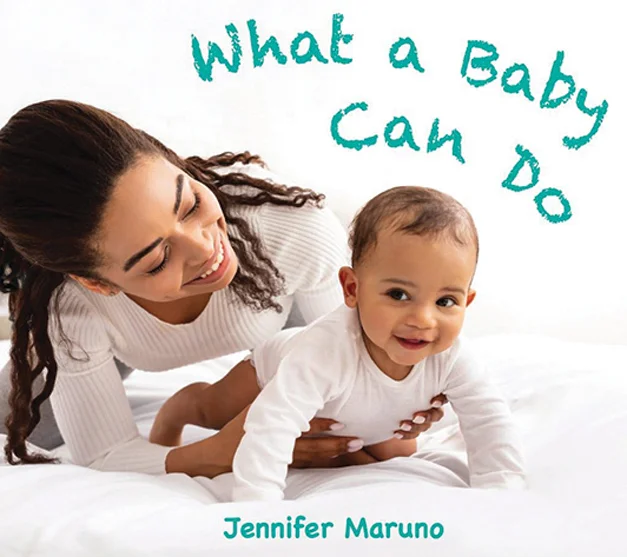
Which One Can You Eat?
Pairing food items with non-edibles engages young minds, prompting them to think critically about everyday objects, suitable for ages up to 3. This title effectively introduces the concept of categorization—a fundamental cognitive skill that children need to develop. By contrasting eatable items with those meant for other purposes, Kusumoto encourages toddlers to question and analyze, thereby kicking off important discussions about the world around them.
Industry Trends and Implications
The range of these titles reflects the industry's focus on creating engaging, educational content that resonates with young readers and their caregivers. As consumer awareness increases, parents are more selective about the materials they introduce to their children. Books that offer valuable lessons through colorful illustrations and interactive elements are becoming highly sought after. This shift isn’t simply about entertainment; it's about fostering a generation that thrives on creativity and critical thinking.
If you're working in this space, you might want to consider how these emerging trends will shape your strategy. Expect competition as publishers recognize the potential market for high-quality children’s literature that merges fun and education. This fall's offerings highlight a clear trend toward engaging storytelling methods while emphasizing developmental milestones, opening up opportunities for educational partnerships. Also, retailers may want to rethink how they display such titles, integrating interactive displays that allow parents and children to experience the books before purchase.
There's much to anticipate this fall in the world of children's literature, not just for parents and kids but for the industry at large. The understanding that books can be tools for both entertainment and education is becoming common. That's significant. People often undermine how a well-constructed children's book can lay the groundwork for lifelong learning and empathy.