This week’s bestseller lists provide a snapshot of current literary trends, but notably, they lack representation across diverse voices. Despite the growing conversation around inclusivity and diverse storytelling, the numbers indicate a persistent gap. Highlighting a title absent from these lists, Warriors Graphic Novel: The New Prophecy #1 by Sammy Savos, illustrated by Gibson Twist, has climbed to the overall #2 slot this week according to Publishers Weekly. This particular title stands out, not just because of its ranking, but due to its representation of younger audiences in the comics genre, which historically struggles for visibility in traditional bestseller lists.
New Entrants and Thematic Trends
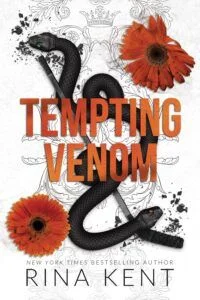
This week also marks the debut of Tempting Venom by Rina Kent. This hockey romance centered on an enemies-to-lovers theme seems to capture readers' attention, albeit marketed as a dark romance. The rise of romantic narratives that intertwine sports, conflict, and personal growth indicates a notable trend where traditional romance genres evolve to incorporate complex character dynamics, appealing to both fans of romance and broader literary audiences.
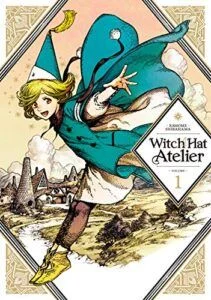
Despite the popularity of certain titles, the lists continue to show an imbalance in authorship, particularly favoring white authors. This isn't just a trend; it's a systemic issue across publishing that demands scrutiny. Key indie bestsellers include works like Communion: The Female Search for Love by bell hooks and Witch Hat Atelier, Vol. 1 by Kamome Shirahama, among others. These selections illuminate how independent voices are gaining traction, bringing important narratives that challenge mainstream publishing’s historical tendencies.
How Rankings are Compiled
To compile these rankings, various sources were consulted, including The New York Times, Amazon Charts, Publishers Weekly, USA Today, and indie bestsellers. Each source employs different criteria, leading to occasional discrepancies that can affect an author's visibility and commercial success. New entrants on the lists are highlighted for visibility, which serves to amplify voices that might otherwise go overlooked. This whole process reflects the broader industry dynamics that can determine which stories get told and, importantly, who gets to tell them.
Books Featured on All Five Bestseller Lists

Theo of Golden by Allen Levi, Regime Change: Inside the Imperial Presidency of Donald Trump by Maggie Haberman and Jonathan Swan, and Yesteryear by Caro Claire Burke are among the notable mentions. The fact that these titles span various genres—from political commentary to romantic fiction—highlights the eclectic tastes of today's readership.
Indie bestsellers also have some representation on this week’s list, with titles that resonate strongly with niche audiences. This is where the new literary terrain lies: less concerned with the bounds of traditional publishing and more about personal connection and authenticity.
Books Featured on Four Bestseller Lists
Project Hail Mary by Andy Weir stands out with a strong showing across multiple lists. This underscores the author's growing popularity, particularly in science fiction, where Weir's compelling narratives often resonate with readers seeking both entertainment and intellectual engagement.
Books Featured on Three Bestseller Lists
Tempting Venom by Rina Kent and The Deal by Elle Kennedy also make a mark. Their presence across multiple lists speaks volumes about reader engagement and the shifting buying habits as they seek relatability in characters and plots.
For more updates and insights from the literary community, check out Breaking in Books.
Implications and Future Outlook
The ongoing skew in bestseller lists is more significant than it looks. It raises questions about what stories are being told and who gets to tell them. The industry must confront biases that have long plagued publishing, encouraging a richer tapestry of narratives. If you're working in this space, the challenge is not only to ensure diversity in content but also to uplift voices that provide fresh perspectives.
As we analyze these trends, it becomes imperative to recognize the power dynamic at play within the publishing sector. Those who control what's deemed worthy of inclusion in bestseller lists can inadvertently suppress voices that deviate from the norm. This isn't merely an academic concern; it directly influences what readers have access to and, ultimately, what shapes cultural conversations.
Looking ahead, there lies both opportunity and challenge. The market is hungry for stories reflecting broader experiences. The rise of platforms that support self-publishing and increase visibility for indie authors presents a shift in author-reader relationships. This could redefine what bestsellers look like in the coming years. Who will emerge as the new voices in literature? Only time will tell.