Welcome to an exploration of why cult narratives hold significant allure within young adult literature. Kody Keplinger, a bestselling author known for her impactful storytelling, investigates why such high-control group dynamics resonate so deeply with readers, particularly adolescents. Her insights draw from personal experience and extensive research, particularly in writing her latest book, Where Lost Girls Go.
The Fascination with Cults
Cults have long piqued interest across various demographics, especially among young adults navigating identity and social dynamics. Keplinger has been intrigued by cults since her teenage years—a sentiment that many share, often thinking they were alone in this fascination. The community aspect of cults, alongside the psychological manipulation involved, provides a rich ground for storytelling.
As she crafted Where Lost Girls Go, Keplinger found herself pondering a compelling question: why do these stories attract us? Her theory centers around a fundamental human curiosity—the fear of losing autonomy and the haunting possibility of being drawn into such a world ourselves. The desire to understand how anyone might support or fall prey to radical ideologies taps into a deep-seated introspection regarding our capabilities for discernment and resilience.
Understanding Cult Dynamics
Cults often entice members by promising an unbreakable community, which can be incredibly appealing during the formative teenage years. At a stage when many are defining their identities and seeking a sense of belonging, the idea of a group that demands conformity can be both captivating and terrifying. Keplinger's writing reflects this delicate balance between reassurance and danger, emphasizing that the allure of cults often lies in their deceptive invitations to intimacy and acceptance.
Keplinger's research notably focused on those who have escaped from cults rather than on the leaders who manipulate them. She argues that vulnerability is a universal trait; anyone can become enmeshed in a cult's web if the circumstances are right. This realization fosters empathy for individuals ensnared by such groups, allowing readers to bridge the gap between "us" and "them." Understanding that even the most unlikely person can be swept away by charisma reminds us of the precarious nature of personal boundaries.
YA Literature that Explores Cult Themes
A diverse array of YA novels tackles cult themes, each illuminating different aspects of these complex social dynamics. Here are some standout titles that not only entertain but also provoke critical thought:
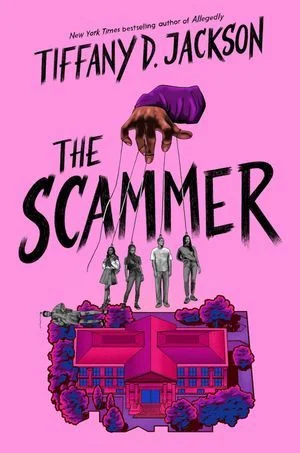
The Scammer by Tiffany D. JacksonThis gripping narrative explores the life of a college freshman whose roommate's brother disrupts their dorm, exerting control reminiscent of real-life cult incidents. Tiffany D. Jackson's compelling prose captures the vulnerability of early adulthood and the subtle yet profound ways individuals can be influenced. |
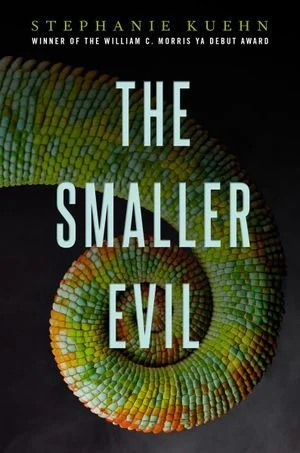
The Smaller Evil by Stephanie KuehnKuehn's novel presents a compelling exploration of mental health and manipulation at a self-help retreat, highlighting how a seemingly innocuous setting can harbor darker undertones. It creates an atmosphere of tension that mirrors the unpredictable twists often found in cult dynamics. |

Agnes at the End of the World by Kelly McWilliamsThis novel presents a unique blend of religious and societal conflict, as the protagonist grapples with her faith amidst an outbreak. McWilliams effectively captures the tumultuous decision-making process faced by individuals within cult-like environments. |
Conclusion: A Compelling Inquiry
Keplinger's reflections underscore a broader curiosity that many readers share: what draws us to the dark undercurrents of human behavior? The fascination with cults in YA literature serves not only to entertain but also to encourage discussions about autonomy, identity, and the social pressures of adolescence. These narratives challenge us to consider our own boundaries and resilience against manipulation, making them an integral part of contemporary storytelling.
For those interested in delving deeper into the world of cult narratives, Keplinger's writing and the recommended titles offer an engaging starting point. They provide insight into the complexities of control and community, urging readers to reflect on their own experiences with belonging.